Best Plant-Based Whey Protein Alternatives for a Clean, High-Protein Shake
Plant-based whey protein substitutes deliver high-quality protein without dairy, making them ideal for vegans, lactose-intolerant individuals, and athletes seeking clean nutrition. This guide highlights five top options, explains who they’re best for, and helps you compare flavors, ingredients, and overall suitability. Each product is evaluated based on protein content, ingredient quality, dietary needs, and digestibility to help you choose confidently.
| Product | Brand | Best For | Key Benefit |
|---|---|---|---|
| NAKED Pea | NAKED | Those wanting 100% pea protein with no additives | Simple ingredients, NSF Certified |
| Orgain Organic Vegan 21g Protein Powder | Orgain | Gut-supportive, organic option | Peas, brown rice & chia with 9 essential amino acids |
| Anthony’s Premium Pea Protein | Anthony’s | Pure plant-based protein with gluten-free focus | Pea protein isolate, plant-based and gluten-free |
| Orgain Organic Vegan Protein Powder + Superfoods | Orgain | Extra superfoods and fiber for digestion | 50 organic superfoods blend, gut-supporting fiber |
| Optimum Nutrition Gold Standard Plant Based | Optimum Nutrition | Muscle support with a pea/rice/fava blend | 24 g protein per serving, blend of multiple plant proteins |
NAKED Pea — 100% Pea Protein, Unflavored

Product: NAKED Pea, 5LB, unflavored plant protein isolate from yellow peas. Features one ingredient only and is GMO-free, soy-free, and gluten-free. Each serving provides 27g of protein with 2g total sugar and 5.7g BCAAs, designed for those seeking a clean, additive-free protein source. Best for athletes or fitness enthusiasts who want a straightforward protein source without artificial additives. A potential limitation is the plain flavor, which may require blending with other ingredients for taste.
Orgain Organic Vegan Protein Powder Vanilla Bean

Product: Orgain Organic Vegan Protein Powder, Vanilla Bean, 2.03 lb. Contains 21g of organic plant protein per serving with 1g sugar, combining organic peas, brown rice, and chia seeds for a complete amino acid profile. Best for organic enthusiasts seeking gluten-free, soy-free, Non-GMO options with minimal additives. Useful for those who want a protein powder that also supports gut health with added fiber. A note: flavor sweetness comes from natural blends, not artificial sweeteners.
Anthony’s Premium Pea Protein — 2 lb

Product: Anthony’s Premium Pea Protein, 2 lb, vegan, gluten-free, unflavored. Made from pea protein isolate, it’s batch tested and verified gluten-free, suitable for lactose-intolerant users. Best for those who want a simple, allergen-conscious protein powder with a neutral taste. Limitation: fewer flavor options may require blending for a more enjoyable taste experience.
Orgain Organic Vegan Protein Powder + Superfoods
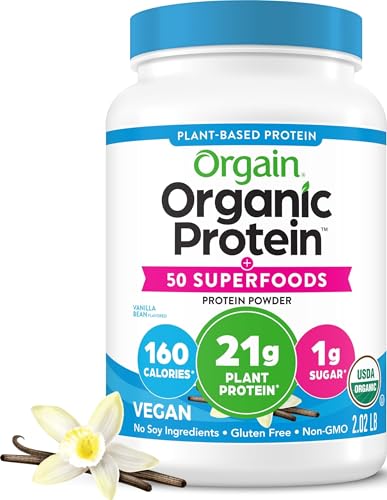
Product: Orgain Organic Vegan Protein Powder with Superfoods, Vanilla Bean, 2.02 lb. Provides 21g plant protein and 1g sugar per serving, featuring a blend of organic pea, brown rice, and chia with 50 organic superfoods. Best for consumers seeking a fiber-rich option with immune-supporting nutrients. Great for shakes and smoothies, though the higher fiber load may affect digestibility for sensitive individuals.
Optimum Nutrition Gold Standard Plant Based

Product: Optimum Nutrition Gold Standard 100% Plant Based Protein Powder, Creamy Vanilla. Delivers 24g of plant protein per serving using a blend of pea, rice, and fava bean proteins. Best for athletes seeking a well-known brand with a plant-based protein blend and versatile flavor. A consideration is that flavor variety may differ by packaging; confirm current flavor options before purchase.
Buying Guide
What to look for when choosing plant-based protein powders
- Protein source and amino acid completeness: Look for blends (pea, rice, chia, etc.) that provide all essential amino acids to support muscle recovery and growth.
- Ingredient quality: Prefer products with minimal additives, no artificial sweeteners, and organic certifications where possible.
- Allergen and dietary considerations: Choose gluten-free, dairy-free, soy-free, or Non-GMO options if you have sensitivities or dietary restrictions.
- Digestibility: Some plant proteins may cause bloating; consider products with digestive-friendly blends or cereal fiber.
- Flavor and mixability: Unflavored versions offer mixability flexibility; flavored options should align with your taste preferences and dietary goals.
- Certifications: NSF, USDA Organic, and other third-party verifications provide additional assurance of quality and safety.
- Portion and price considerations: Compare protein per serving, calories, and carb content to suit your daily macro targets.
How to choose based on your lifestyle
For athletes or bodybuilders, prioritize higher protein per serving and complete amino acid profiles. For meal replacement or daily supplements, consider fiber content and overall nutrient density. If you prefer organic farming practices, lean toward USDA Organic options. For sensitive stomachs, start with small portions of unflavored varieties to gauge digestion before adding flavors or sweeteners.
FAQ
- What makes plant-based protein powder different from whey? Plant-based powders use proteins derived from plants (peas, rice, chia) and are dairy-free, while whey comes from milk. Plant-based options suit vegans and lactose-intolerant individuals.
- Is unflavored protein better for digestion? It can be easier to control flavoring and sweeteners; some people prefer unflavored to avoid artificial additives.
- Do plant-based proteins provide all essential amino acids? Many blends combine multiple plant proteins to deliver a complete profile; check the amino acid listing on the label.
- Can I mix plant-based protein with foods other than shakes? Yes, you can add to smoothies, oatmeal, yogurt substitutes, or baking for protein enrichment.
- Which option is best for gut health? Proteins with added fiber or prebiotics may support gut health; Orgain’s mixed blends include prebiotic components in some versions.
- Are there flavor preferences to consider? Flavored versions may contain natural or artificial flavors; if avoiding additives, start with unflavored or look for organic flavors.
Leave a Reply