Best Complete Beer Making Kits for Home Brewing in 1–5 Gallon Batches
Yes, you can start brewing at home with a complete beer making kit. This guide highlights five beginner-friendly options that cover ales, IPAs, and even mead approaches. Each kit is chosen for clear instructions, all-in-one gear, and reliable results. Ideal buyers include first-time brewers seeking a simple start, hobbyists wanting faster batches, and those exploring craft variations without investing in separate tools.
Below is a quick summary to help you compare at a glance. The table lists the product name, best-for audience, batch size, and notable strengths.
| Product | Best For | Batch Size | |
|---|---|---|---|
| Craft A Brew Oktoberfest Ale | First-time brewers who want a malt-forward experience | 1 gallon | All-in-one starter with Bavarian-style malt character |
| Mr. Beer Craft Beer Kit | Quick, simple brews with minimal equipment | 4 gallons | Very beginner-friendly and fast to bottle |
| Craft A Brew Oak Aged IPA | Craft beer fans seeking hop-forward flavors | 1 gallon | Distinct oak-aged profile for a deeper finish |
| Northern Brewer Essential Brew | Gifts for beginners; reliable all-in-one kit | 5 gallons | Full starter set with a strong Amber recipe |
| Complete Mead Making Kit (Bold I’Land) | Away-from-beer options; mead beginners | 1 gallon | Includes hydrometer, auto siphon, and glass carboy |
Craft A Brew Oktoberfest Ale – 1 Gallon Kit

Best for beginners who want a classic malt-forward lager-inspired beer with Bavarian character. This 1-gallon kit includes all the essential equipment and supplies, plus a Craft a Brew Guide to Craft Brewing. It targets new brewers seeking an approachable, flavorful start with clear steps. The kit’s focus on Munich-style notes makes it especially appealing to those wanting a traditional Oktoberfest profile. A potential limitation is the smaller batch size, which may not suit those seeking to stock a larger party supply.
Who this is for: New brewers who want a guided, easy entry into home brewing and a beer with a recognizable Munich malt character.
Mr. Beer Craft Beer Kit

Best for rapid, no-fuss brewing in larger 4-gallon batches. This all-in-one kit includes fermentation equipment, ingredients, and bottles, eliminating the need for extra gear. The key benefit is speed: brews can be ready for drinking in about 3–4 weeks. It’s a solid option for families or roommates who want a straightforward process. The main caveat is that the kit’s bulkiness requires more storage space than smaller 1-gallon sets.
Who this is for: Home-brewers who want a complete, beginner-friendly setup with a comfortable batch size for casual entertaining.
Craft A Brew Oak Aged IPA – 1 Gallon Kit

Best for IPAs with a twist—oak-aged character adds depth to a classic 1-gallon format. The kit emphasizes flavor independence and the Craft a Brew Guide to Craft Brewing, giving hobbyists a structured path to craft a beer with oak-from-a-barrel notes without a large commitment. A potential limitation is that the oak profile may not suit purists who prefer a traditional IPA finish.
Who this is for: IPA lovers who want to experiment with wood-aged flavors in a compact kit and learn the craft step-by-step.
Northern Brewer Essential Brew (Block Party Amber)
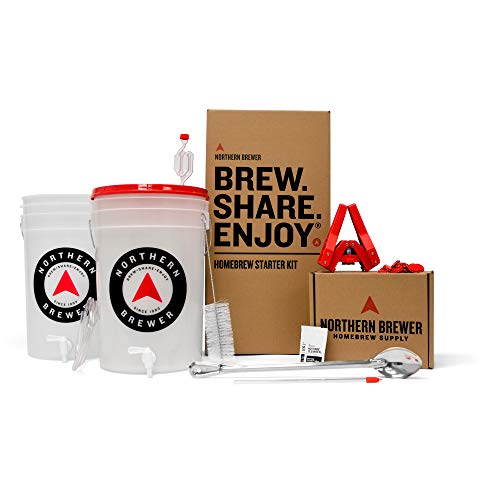
Best for gifting or first-time brewers who want a proven 5-gallon starter kit. It includes foolproof instructions and a Block Party Amber recipe, providing a crowd-pleasing, approachable flavor profile. The kit is built around a larger batch, which suits gatherings or growing interest in ongoing brewing. A limitation is the higher volume of the brew compared to 1-gallon kits, which means more space and longer chilling times.
Who this is for: Beginners seeking a reliable, all-in-one starter kit with a well-balanced amber ale recipe and room to grow into bigger batches.
Complete Mead Making Kit For Beginners – Bold I’Land

Best for exploring honey-based beverages beyond beer. This mead kit includes a glass jug carboy, hydrometer, auto siphon, airlock, and a step-by-step guide. It is ideal for beginners who want to try fermentation science with honey and fruit flavors. A limitation is that mead fermentation often requires longer aging times to reach desired character, which is longer than standard beer timelines.
Who this is for: Those curious about mead or honey wine, seeking a complete beginner-friendly setup with accessible measurement tools.
Buying Guide: How to Choose Your Complete Brewing Kit
What batch size do you want? If you’re testing the waters, a 1-gallon kit minimizes waste and makes winding up with a small supply easier. For social gatherings, a 4–5 gallon kit provides more beer without extra equipment.
How important is the flavor profile? For malt-forward ales, choose kits with Munich malt or amber recipes. If hops are your focus, prefer IPAs or IPAs with oak aging. Mead-focused kits suit those who want honey-driven profiles.
What equipment level do you prefer? All-in-one kits remove guesswork but require storage space. Expect some kits to include siphons and hydrometers, while others rely on user-supplied basics.
Which materials matter? Glass carboys and durable fermenters reduce contamination risk and last longer. Avoid brittle plastics if you plan to reuse gear extensively.
What’s your timeline? Some kits promise faster turnarounds (a few weeks to drink), while mead and oak-aged options may need longer aging to mature flavors.
Frequently Asked Questions
- What is the typical batch size for beginner kits?
Most beginner kits range from 1 to 5 gallons, with 1 gallon being common for first-time brewers and 5 gallons for those who want more servings. - Do these kits include fermentation and bottling gear?
Yes, most include fermenters, airlocks, siphons, and bottles or capping supplies when included in the package. - How long does it take to get beer ready to drink?
Most 1–4 gallon kits take about 2–4 weeks from brew day to ready-to-drink beverages, depending on the recipe and fermentation pace. - Are mead kits more time-consuming than beer kits?
Mead kits can require longer aging times to achieve full flavor, often extending beyond standard beer timelines. - Is oak aging essential for IPAs?
Oak aging adds depth for some IPAs, but it’s optional. Choose this if you want a wood-forward finish; otherwise, stick to standard IPAs.
Leave a Reply