Best Protein Powders for Lactose Intolerant
Looking for lactose‑friendly protein powders that still support muscle recovery and daily protein goals? This guide highlights five lactose‑safe options, including whey isolates and dairy‑free choices. Each product is chosen for clear lactose separation, easy digestion, and practical everyday use. Ideal buyers include athletes needing high‑protein, individuals with lactose sensitivity seeking quick post‑workout options, and anyone avoiding dairy entirely.
Summary table of selected products:
- Isopure Zero Carb Whey Isolate Protein Powder — Lactose Free, Gluten Free, Creamy Vanilla
- Dymatize ISO100 Whey Protein Isolate — Gourmet Vanilla
- OWYN Only What You Need Pro Elite High Protein Powder — 30g Plant Protein, Vanilla
- Grass Fed Beef Protein Powder — Lactose Free, Vanilla Flavor
- Nutricost Whey Protein Isolate — Unflavored, 5 LBS
Isopure Zero Carb 100% Pure Whey Isolate Protein Powder

Best for: Adults who want a lactose‑free, zero‑carbohydrate protein boost without dairy additions. This whey isolate is designed to maximize protein intake while keeping carbs and lactose to a minimum.
Why selected: It provides 25 g of pure whey protein isolate per serving with zero carbs, supporting lean muscle goals. Vitamin enrichment adds convenience for daily wellness routines.
Caution: Some users report a strong vanilla flavor; those sensitive to artificial sweeteners should check ingredients beyond the listed features.
Dymatize ISO100 Whey Protein Powder Isolate — Gourmet Vanilla

Best for: Fitness enthusiasts who want fast digestion and high protein per scoop with minimal lactose and sugar. Suitable for those seeking a premium isolate with clean macros.
Why selected: ISO100 uses small peptide fractions to aid absorption, with less lactose, carbs, fat, and sugar compared to other blends. Made in the USA, it suits a wide range of training goals.
Caution: Like most isolates, it can be costly; consider if price is a primary concern versus performance benefits.
OWYN Only What You Need Pro Elite High Protein Powder

Best for: Dairy‑free and lactose‑free nutrition-seekers, including those avoiding soy and gluten. This plant‑based formula provides complete essential amino acids and 30 g of protein per serving.
Why selected: It combines pumpkin seed and chia proteins with a greens blend and probiotics, offering a broad nutrient profile without dairy. Suitable for vegetarians and those with multiple dietary restrictions.
Limit: Because it’s plant‑based, some athletes may notice a different texture or mouthfeel compared to dairy isolates; plan taste expectations accordingly.
Grass Fed Beef Protein Powder — Lactose Free

Best for: Individuals seeking a dairy‑free, animal‑based protein option with a different amino acid profile. Great for those who want a full‑flavored alternative to dairy proteins.
Why selected: This product provides 20 g of complete protein per scoop with zero added sugar, and it is free from common dairy allergens, offering a unique option beyond whey isolates.
Caution: Some users may find the flavor and texture distinct from whey proteins; check flavor options to match taste preferences.
Nutricost Whey Protein Isolate (Unflavored) 5LBS
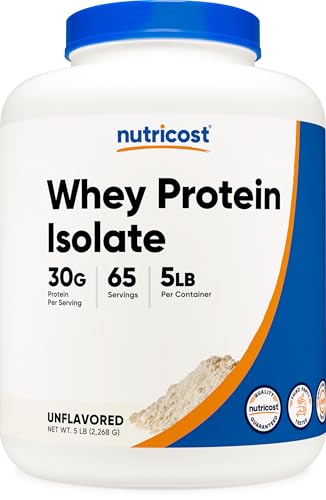
Best for: Budget‑conscious buyers who want a straightforward, unflavored isolate to blend with other ingredients or to tailor flavors at home.
Why selected: Five pounds of unflavored isolate provides a flexible base for recipes, shakes, or smoothies, with a clean protein source that minimizes added ingredients.
Limitation: Unflavored products may require more effort to palate compared with flavored options; consider pairing with natural flavors you enjoy.
Buying Guide: Key Considerations For Lactose‑Friendly Proteins
What should you look for when choosing lactose‑friendly protein powders?
- Protein source: Lactose‑free whey isolates reduce lactose exposure, while plant‑based or beef proteins are naturally lactose‑free. Choose based on dietary needs and taste preferences.
- Digestive tolerance: Isolates typically digest quickly, while blends or concentrates may be heavier. Dairy‑free options avoid lactose entirely, reducing GI discomfort for many users.
- Carbs and sugar: If you’re watching carbs, isolate products with low or zero sugar and minimal carbs are preferable.
- Allergen considerations: Look for gluten‑free, dairy‑free, soy‑free, or nut‑free labels if you have related sensitivities; check for cross‑contamination warnings.
- Flavor and texture: Flavored isolates can be dessert‑like; plant proteins may have earthy notes. Unflavored options offer faster customization for recipes.
- Versatility: Consider whether you want a powder for shakes, baking, or meal replacements. Some products blend better with smoothies or coffee.
FAQ
- Are all lactose‑free proteins suitable for lactose intolerant individuals? Most lactose‑free options are designed to minimize or remove lactose, but individuals with severe lactose intolerance should verify the product’s lactose content and any cross‑contamination statements.
- What is the difference between whey isolate and whey protein concentrate? Whey isolate generally contains less lactose and fat and more protein per serving, making it more suitable for lactose‑intolerant users.
- Is vegan protein a good alternative to dairy for lactose intolerance? Yes. Plant‑based proteins such as OWYN provide complete amino acids and are naturally lactose‑free and dairy‑free.
- Can lactose‑free proteins help with muscle growth? Yes. Most lactose‑free isolates deliver similar protein per serving for muscle repair and growth when paired with an appropriate training plan.
- Should I choose flavored or unflavored powders? Flavored options improve palatability, while unflavored powders offer flexibility for mixing into foods and beverages without adding extra flavors.
- Do lactose‑free proteins contain gluten? Some products are gluten‑free, but always check the label if you have gluten sensitivity or celiac disease.
Leave a Reply