Best Wine Aroma Kits for Sharper Palate and Tasting Skills
Answers to the question “which wine aroma kit should I buy?” lie in selecting sets that cover a broad range of genuine wine notes, are user-friendly, and suit your experience level. This guide highlights five credible aroma kits that help both beginners and seasoned tasters expand their perception of red and white wines. The top picks include comprehensive 88-aroma kits, specific red and white wine sets, and approachable training tools. The buyer-friendly table below summarizes the featured products for quick comparison.
| Product | Best For | Key Benefit |
|---|---|---|
| Aromaster Professional Sommelier Wine Aroma Kit 88 Aromas | Serious students, wine educators | Most comprehensive aroma collection |
| TASTERPLACE Aroma Set Red Wine | Red wine enthusiasts | Focused red wine notes in an accessible set |
| The Wine Savant Red Wine Aroma Kit | Beginners to intermediate tasters | Clear expansion of red wine aroma vocabulary |
| 24 White Wine Aromas – TASTERPLACE | White wine focus | Broad white wine scent coverage |
| White Wine Aroma Kit – 15 Aromas | Entry-to-intermediate learners | Core white wine notes in a compact set |
Aromaster Professional Sommelier Wine Aroma Kit 88 Aromas
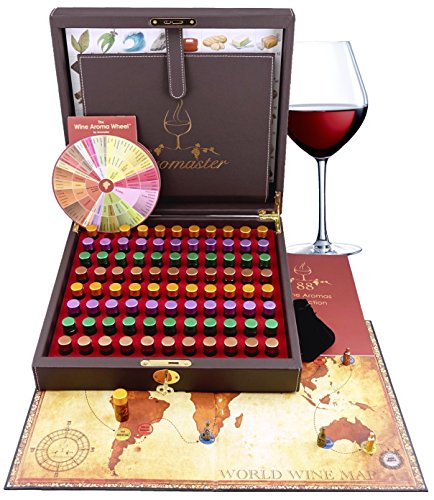
The Aromaster 88 Aroma Kit is a long-standing, professional-level collection designed to train the nose across a wide spectrum of wine aromas. It is described as the world’s most comprehensive aroma set and is widely used by wineries, educators, and serious wine lovers. The kit’s breadth supports recognizing grape varieties, winemaking steps, maturation traits, and faults. Best for dedicated students who want deep aroma recognition and structured practice over time. A potential limitation is the breadth: beginners may start with smaller sets before tackling all 88 aromas.
Best for: Serious learners, educators, and professionals seeking a thorough aroma vocabulary.
Why selected: It provides the widest catalog of aromas to map scent profiles to wine styles and processes, aiding precise aroma identification.
Caution: The large number of aromas requires time and systematic study to avoid overwhelm for new tasters.
TASTERPLACE Aroma Set Red Wine
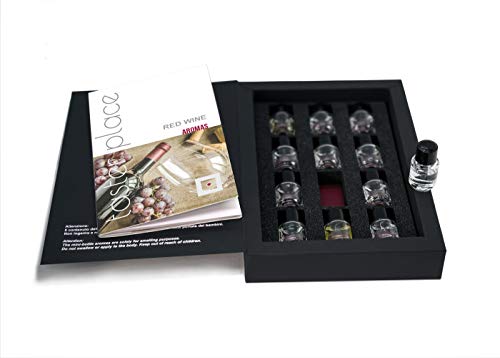
This red wine-focused aroma kit presents 12 common red wine aromas and includes a basic guide on training the sense of smell and tasting red wines. It’s well-suited for those who want a clear, structured path to recognizing key red wine notes without the breadth of an all-aromas kit. Best for: red wine enthusiasts building a tailored vocabulary. A limitation is the narrower aroma range compared to multi-category sets.
Best for: Red wine lovers seeking targeted practice in red wine aromas.
Why selected: Quick, focused results help learners quickly name and differentiate red wine notes.
Caution: May require supplementary aromas if you want a fuller red-and-white comparison.
The Wine Savant Red Wine Aroma Kit
This kit emphasizes red wine aroma training with 15 aromas commonly found in red wines. It is designed to help beginners and intermediate tasters elevate their scent recognition, supporting a broader appreciation of aroma profiles and how they influence taste. Best for: learners who want a manageable yet meaningful expansion of aroma vocabulary. A limitation is that the set focuses on red wines, so users may need a separate white wine kit for full varietal coverage.
Best for: Beginners and intermediate tasters expanding red wine aroma language.
Why selected: It provides a practical balance of essential aromas with actionable training steps.
Caution: Red-only focus may necessitate a separate white wine kit for comprehensive comparison.
24 White Wine Aromas – TASTERPLACE

This set targets white wine aromas with a broader 24-aroma catalog. It’s a solid choice for learners who want an extensive white wine scent library to pair with red-focused kits. Best for: white wine enthusiasts seeking deeper aroma coverage and comparison with red profiles. A potential limitation is the larger aroma list, which may require structured study to retain accuracy.
Best for: White wine-focused learners seeking a wide aroma library.
Why selected: Provides a robust set of aromas typical to white wines, supporting nuanced recognition of floral, citrus, mineral, and tropical notes.
Caution: The volume of aromas may feel overwhelming without a guided study plan.
White Wine Aroma Kit – 15 Aromas

The White Wine Aroma Kit offers 15 carefully chosen aromas representative of common white wine notes. It provides a compact, approachable entry into white wine training, suitable for beginners and intermediate tasters who want a focused set without feeling overwhelmed. Best for: learners seeking a concise white wine scent vocabulary. A limitation is the smaller catalog compared with multi-aroma kits, which may require supplementing with additional notes for broader tasting contexts.
Best for: Beginners and intermediate tasters focusing on white wines.
Why selected: A compact, curated selection of essential white wine aromas that support progressive learning.
Buying Guide: Key Purchase Considerations
How should you choose among aroma kits? Start with your goal: build core aroma recognition for either red, white, or a broad spectrum. Consider the number of aromas, the included educational materials, and how you will use the kit (individual study, group training, or classroom setting). Portability and price are practical factors for regular practice.
What to look for in a kit: Aroma variety (red, white, or both), clarity of notes, illustrated guides, and the availability of structured training steps. A larger set provides breadth but may require more time to master. A smaller kit is easier to internalize quickly but may miss subtleties.
How to use a kit effectively: Practice in short, regular sessions. Group tastings can accelerate learning through discussion and comparison. Keep a tasting journal to map aromas to flavors and wine styles over time.
Which kit should you buy first? For beginners, a focused red or white kit paired with a mid-sized all-aromas set can balance depth and variety. For more advanced practice, a comprehensive 88-aroma kit supports deeper, long-term development.
FAQ
- What is the main purpose of a wine aroma kit? To train the nose to recognize and name wine notes, improving overall tasting confidence.
- Should beginners start with red or white aromas? It depends on your interest. Start with the wine type you drink most often, then expand to the other color notes.
- Is a larger aroma kit better? Not necessarily. It offers more aromas, but can be harder to master without a structured plan.
- Can aroma kits teach fault recognition? Some sets include faults or reference notes that help learners distinguish faults from varietal aromas.
- How often should I train with an aroma kit? Short, consistent sessions (3–4 times per week) yield the best long-term improvement.
- Are aroma kits suitable for group tastings? Yes, they work well in classroom or club settings to compare notes and practice collective assessment.
Leave a Reply