Best Cold Pressed Salmon Oil for Health Benefits
Direct answer: Cold pressed salmon oil offers a natural source of omega-3 fatty acids (EPA and DHA) that supports heart, brain, and joint health for both people and pets. This guide highlights five top options suited for different buyers, from adults seeking daily omegas to pet owners wanting skin, coat, and joint support for dogs and cats. The products below emphasize purity, sustainability, and easy daily use, with notes on who benefits most and potential limitations.
| Product | Who It’s Best For | Why It Stands Out |
|---|---|---|
| Omega-3 Wild Alaskan Salmon Oil 1000mg Softgels (210 Count) | Active adults seeking convenient daily omega-3 supplementation | 1000 mg per softgel; wild Alaskan source; simple daily capsule |
| Natural Factors Wild Alaskan Salmon Oil (180 Softgels) | Those prioritizing EPA/DHA for heart and brain support | Omega-3 rich, DHA emphasis for cognitive and heart health |
| Sports Research Salmon Oil (180 Softgels) | Eco-conscious buyers who want sustainability and high potency | MSP-certified and cold-pressed; high 2,500 mg per serving |
| Zesty Paws Wild Alaskan Omega-3 for Pets (8.5 oz) | Dog and cat owners seeking skin, coat, and joint support | Liquid formula; easy pumps; supports coat and immune health |
| Salmon Oil for Dogs and Cats (32 oz) Chew + Heal Labs | Pet owners wanting a full-spectrum omega-3 for skin, coat, and joints | All-natural liquid with vitamin E; large bulk option |
Omega-3 Wild Alaskan Salmon Oil 1000mg Softgels

Best for: Adults wanting a straightforward daily omega-3 source. This product delivers a potent 1000 mg of omega-3 per softgel, sourced from wild Alaskan salmon. Suitable for daily vitality and cardiovascular support when used as part of a balanced lifestyle.
Why selected: High-potency per capsule, easy routine, and a straightforward heart- and wellness-focused profile. Caution: Softgels may be large for some users; consult with a clinician if you have a fish-allergy or dietary restrictions.
Natural Factors Wild Alaskan Salmon Oil

Best for: Buyers focusing on heart and brain support through EPA and DHA supplementation. The formula emphasizes DHA for cognitive function and eye health, paired with EPA for lipid balance and heart health.
Why selected: Transparent omega-3 profile with emphasis on brain health benefits. Caution: Softgel counts are moderate; consider usage duration and daily servings to match needs.
Sports Research Salmon Oil

Best for: Buyers who want a single-source wild Alaskan salmon oil with a strong potency and sustainability certification. Great for those seeking a transparent supply chain and high omega-3 content per serving.
Why selected: MSC certification indicates sustainable sourcing; cold-pressed processing helps preserve fatty acids. Caution: Higher serving size may be needed to reach desired omega-3 intake; verify daily allowance with a clinician if on medication.
Zesty Paws Wild Alaskan Omega-3 Blend for Pets
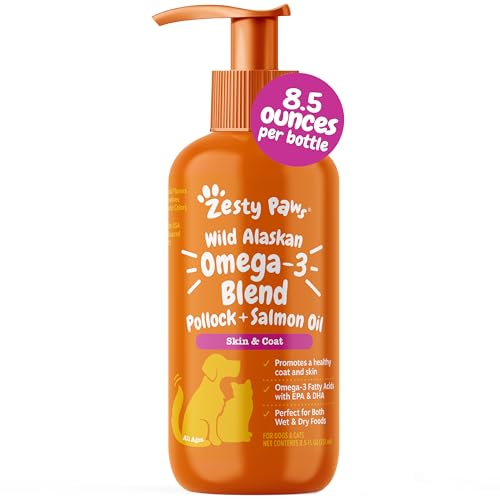
Best for: Pet owners seeking a simple, easy-to-dispense option to improve skin, coat, and overall wellness for dogs and cats. The pump format makes daily dosing convenient for households with multiple pets.
Why selected: Focused on skin and coat health with EPA and DHA. Caution: Liquid formulas can have potent fish flavor; some pets may be picky or require gradual introduction.
Salmon Oil for Dogs and Cats (32 oz) Chew + Heal Labs
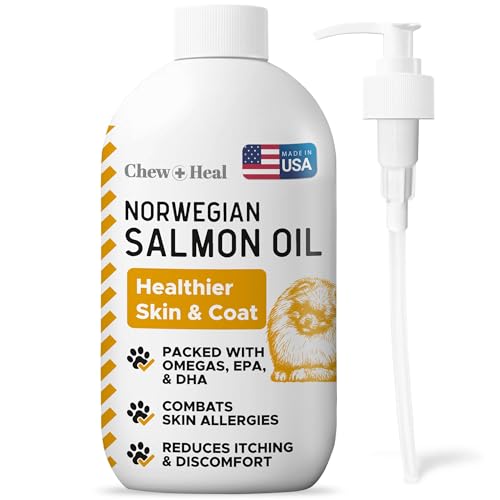
Best for: Pet owners wanting a large-bottle option for ongoing canine or feline omega-3 supplementation with added vitamin E for antioxidant support. Suitable for multi-pet households seeking value.
Why selected: All-natural salmon oil with vitamin E; supports skin, coat, joints, and immune health. Caution: Large bottle may require proper storage to maintain freshness; ensure it’s used within recommended time after opening.
Buying Guide
What should you look for in cold pressed salmon oil?
- Source and sourcing ethics: Wild Alaskan salmon is commonly preferred for sustainability and purity.
- Processing method: Cold-pressed or minimal heat helps preserve EPA and DHA fatty acids.
- Potency and serving size: Consider mg per serving and daily recommended intake for your needs.
- Form factor: Softgels, liquid, or pet toppers—choose based on daily routine and consumer preference.
- Allergies and sensitivities: Check for fish-free alternatives if you have a fish allergy or dietary restrictions.
Who should choose which type?
- Adults seeking simplicity: Softgels with clear daily dosing work well.
- Brain and heart focus: Programs emphasizing EPA and DHA balance may be optimal.
- Pet owners: Liquid toppers or pump bottles can be easier for daily pet dosing and can improve taste acceptance.
- Budget and value: Larger bottle sizes or bulk options may provide better long-term value while maintaining quality.
Practical tips for use and safety
- Follow product-specific dosage guidelines and consult a clinician if you have medical conditions or are pregnant.
- Store in a cool, dry place and seal tightly to protect freshness and prevent oxidation.
- Introduce fish oil gradually to minimize digestive upset for pets or people.
- Check for additional ingredients like vitamin E or flavoring that may affect allergies or sensitivities.
Frequently asked questions
- What is cold pressed salmon oil?
It is salmon oil processed at lower temperatures to preserve nutrients such as EPA and DHA. - Who should take salmon oil?
Adults seeking cardiovascular or cognitive support, and pet owners wanting coat and joint health. - Are there any side effects?
Some people or pets may experience mild digestive upset; start with smaller amounts. - Is it safe for dogs and cats?
Many salmon oil products are formulated for pets; check the product label for species suitability and dosage. - How do I choose between softgels and liquids?
Softgels offer convenience; liquids allow flexible dosing for pets and children. - Does sustainability matter?
MSC-certified or clearly labeled sustainable sourcing supports responsible fisheries.
Leave a Reply