Best Edible Lemon Essential Oil Options for Cooking and Aromatherapy
For cooks, bakers, and DIY enthusiasts seeking an edible lemon essential oil, this guide highlights five reliable options that are labeled food-grade or suitable for culinary use. Each pick is chosen for purity, packaging, and clear labeling to support safe ingestion or dilution when used in recipes. Best suited for home chefs, wellness-minded shoppers, and educators sharing aroma-based experiments.
Overview of top picks (summary):
- Viva Doria 100% Pure Lemon Essential Oil, 30 mL — compact and premium-scented for daily culinary uses.
- Viva Doria Lemon Essential Oil, 118 mL — larger bottle for frequent cooks and experimental bakers.
- Zongle Therapeutics Lemon Essential Oil, 4 OZ — food-grade, convenient for kitchen use and flavoring.
- Zongle Therapeutics Organic Lemon Essential Oil, 1 OZ — certified organic option for strict dietary needs.
- Majestic Pure Lemon Essential Oil, 4 Fl Oz — larger bottle with a glass dropper for controlled use in diffusers and recipes.
Viva Doria 100% Pure Lemon Essential Oil

Best for: daily culinary scent and quick flavor boosts in desserts, dressings, and beverages. This 30 mL bottle emphasizes authenticity and purity, making it suitable for home cooks who want reliable lemon aroma without additives. Why chosen: the label stresses pristine aroma and secure amber packaging to preserve potency. Caution: ensure it is diluted properly before direct addition to food to avoid overpowering flavors.
Viva Doria Lemon Essential Oil, 118 mL
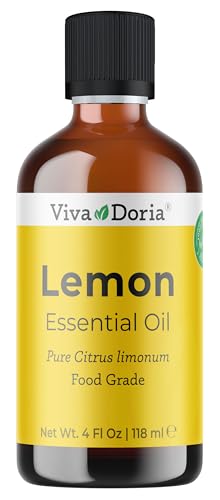
Best for: larger kitchen projects and ongoing culinary experiments where a steady supply is helpful. This 118 mL bottle provides more value for frequent bakers and mood-enhancing recipe presentations. Why chosen: similar purity and aroma standards with a secure amber bottle for potency retention. Caution: measure precisely to prevent lemon overtones in delicate recipes.
Lemon Essential Oil, Food Grade, 4 OZ — Zongle Therapeutics

Best for: cooks and bakers seeking a robust lemon essence with culinary-grade safety testing. This oil is described as safe for ingestion and free from GMO, preservatives, and artificial ingredients. Why chosen: explicit statement of edible use and USA bottling, supporting confident integration into recipes. Caution: verify dosage guidelines for ingestion and avoid concentrated direct consumption without dilution in food preparations.
Organic Lemon Essential Oil, 1 OZ — Zongle Therapeutics

Best for: shoppers prioritizing organic certification and strict dietary standards in cooking and baking. The organic label supports use in recipes requiring certified ingredients. Why chosen: the product claims 100% pure organic content with food-grade status, focusing on safe culinary use. Caution: organic status can imply slightly different aroma intensity; adjust usage to taste.
Majestic Pure Lemon Essential Oil with Glass Dropper — 4 Fl Oz

Best for: users who want a larger bottle with a dropper for controlled application in recipes, candles, and DIY aromatherapy. Why chosen: emphasizes 100% pure and natural content, independent lab testing, and a protective amber bottle. Caution: a larger bottle means longer-term storage; keep away from heat and light to maintain quality.
Buying Guide: Edible Lemon Essential Oil
- Purity and labeling: Look for 100% pure lemon essential oil with explicit food-grade or culinary usage claims. Organic certifications help for strict dietary needs.
- Source and processing: Reputable brands emphasize pristine aroma and careful packaging to preserve potency. Amber glass bottles protect against UV exposure.
- Ingestion and culinary use: Only ingest lemon oil that the manufacturer explicitly marks as edible or food-grade. Always dilute before adding to foods and beverages unless the product specifies direct culinary use.
- Packaging volume: Choose bottle size based on frequency of use. For beginners, smaller bottles reduce waste; for frequent cooks, larger sizes provide value.
- Safety and dosing: Essential oils are highly concentrated. Use precise drops and consult recipe guidelines. Avoid direct ingestion in undiluted form and be aware of potential allergens.
- Interaction with recipes: Lemon oil can brighten desserts, salad dressings, sauces, and beverages. It also enhances glaze and marinades when used sparingly.
Practical considerations for choosing
- Best for beginners: Viva Doria 30 mL for trial use and recipe testing with clear aroma expectations.
- Best value for cooks: Viva Doria 118 mL or Majestic Pure 4 OZ for ongoing culinary projects.
- Best organic option: Zongle Organic Lemon Essential Oil for those prioritizing certified organic ingredients.
- Best for versatile kitchen and DIY use: Zongle Therapeutics Lemon Essential Oil (4 OZ) combines culinary potential with broad usability.
FAQ
- Is edible lemon essential oil safe to ingest in food recipes?
Only use oils explicitly labeled as edible or food-grade by the manufacturer. Always dilute and follow dosing recommendations.
- Can I use lemon essential oil in baking and drinks?
Yes, when labeled for culinary use. Start with a single drop or two and adjust to taste, since lemon oils are highly concentrated.
- What should I look for on the bottle label?
Source purity (100% pure), culinary or food-grade designation, packaging in amber glass, and, if needed, organic certification.
- Do organic options differ in aroma compared to non-organic lemon oil?
Organic oils often prioritize pure sourcing, which can influence aroma intensity but are not guaranteed to taste identical across brands.
- How should I store edible lemon oil?
Store in a cool, dark place in an amber glass bottle; keep tightly capped to preserve potency.
- What safety steps should I take before using in recipes?
Dilute with a carrier oil when applied to skin or direct food surfaces, and perform a small test batch in light recipes first.
In sum, these five edible lemon essential oils provide diverse options for cooks and DIY enthusiasts. Each selection balances purity, packaging, and culinary suitability to help identify the best match for your kitchen or classroom experiments.
Leave a Reply