Best 2% Powdered Milk Alternatives for Storage and Cooking
If you’re looking for versatile, shelf-stable milk powders that can replace 2% milk in recipes, beverages, or emergency kits, this guide helps you pick the right one. This article highlights five practical options suited for different needs—from cooking and baking to kid-friendly beverages. The top picks cover fortified varieties, whole-milk flavors, and gluten-free options to suit diverse diets and uses.
Product Selection Overview
| Product | Brand | Best For | Notes |
|---|---|---|---|
| Swiss Miss Shelf Stable Nonfat Dry Powdered Milk | Swiss Miss | Pantry storage; quick milk in coffee or baking | Fortified with vitamins A & D; calcium; 8 g protein per serving |
| Nestle Nido Fortificada Whole Milk Powder | Nido | Families needing fortified whole-milk powder | 5 vitamins/minerals per cup; easy mixing |
| Hoosier Hill Farm Whole Milk Powder (2LB) | Hoosier Hill Farm | Cooking, baking, and beverages | Pure, hormone-free whole-milk base; not instant |
| Swiss Miss Nonfat Dry Milk Fortified with A & D | Swiss Miss | Emergency or everyday use in shakes, cereal, coffee | Low-fat; 80 calories per serving; calcium-rich |
| Nestle KLIM Powdered Milk | KLIM | Family use; versatile cooking and drinking | Easy-to-make; suitable for multiple meals |
Swiss Miss Shelf Stable Nonfat Dry Powdered Milk, 45.43 oz

Best for: households seeking a long-lasting pantry staple with added vitamins. The product is fortified with vitamins A and D and a calcium boost, with 8 g of protein per serving. It is shelf-stable and convenient for emergencies or everyday use. Caution: Since it is nonfat, it lacks fat content that some bakers rely on for texture; consider blending with a small amount of oil if a richer mouthfeel is needed.
Nestle Nido Fortificada Whole Milk Powder, 28.1 Oz

Best for: families needing fortified whole-milk powder for beverages and recipes. This NIDO powder provides multiple vitamins and minerals per cup and is easy to mix for a nutritious drink. Limitation: It is labeled as whole-milk powder, which may alter texture in light, low-fat recipes if used in large amounts.
Hoosier Hill Farm Whole Milk Powder, 2LB

Best for: cooks and bakers who want a rich, creamy texture in recipes and beverages. This 100% hormone-free whole milk powder offers substantial protein and nutrients, with a sweet, milk-like flavor. Caution: This product is not instant; whisking or blending helps achieve a smooth consistency, especially for drinks.
Swiss Miss Nonfat Dry Milk, Fortified with Vitamins A & D

Best for: emergency food storage or everyday nonfat milk needs in coffee, baking, or cereals. It provides calcium and is fat-free, with 8 g protein per serving and 80 calories. Limitation: Nonfat form may yield a lighter texture in some baked goods; adjust fat sources as needed in recipes.
NESTLE KLIM Powdered Milk PREBIO 56.4 Ounce
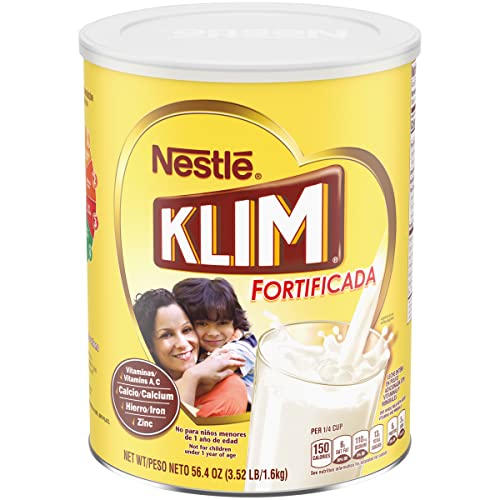
Best for: families seeking an easy, dependable powdered milk for drinking, cooking, and baking. KLIM is described as easy to make with simple steps and is a time-tested choice for households. Caution: Availability and packaging may vary; verify serving size and mixing ratio before use.
Buying Guide
Key considerations when choosing a powdered milk option for 2% milk substitutions:
- Fat content: Decide between nonfat, whole milk, or fortified blends based on recipe needs and dietary preference.
- Fortification: Look for vitamins A and D, and minerals like calcium, which support nutritional goals in kids and adults.
- Shelf life and storage: Pantry-friendly powders offer long storage; ensure you have a cool, dry place.
- Mixing and texture: Some powders require whisking; others blend easily with water or hot liquids. Consider your preferred preparation method.
- Intended use: Choose based on whether you’ll use in beverages, cooking, baking, or emergency kits.
- Allergies and dietary needs: Gluten-free options and those made from hormone-free milk are available; verify labels if you have sensitivities.
Practical Purchase Considerations
- Choose a product with clear serving size and mixing instructions to save time in daily use.
- For households with children, fortified options and kid-friendly flavors can be advantageous.
- Keep a balanced stock—some blends are better for baking, others for drinking or coffee.
Frequently Asked Questions
- What is the main difference between 2% milk and powdered milk products? – Powdered milk is shelf-stable and requires reconstitution with water; 2% milk is a fresh dairy product with fat content already in the milk.
- Can powdered milk substitute 2% milk in recipes? – Yes, in many recipes you can substitute with appropriate reconstitution ratios, but texture and flavor may differ slightly.
- Is all powdered milk gluten-free? – Many are, but always check the label for gluten-containing ingredients or cross-contamination statements.
- Which powder is best for emergency kits? – Nonfat fortified powders with long shelf life are typically preferred for emergencies due to light weight and extended storage.
- How do I choose between whole-milk and nonfat options? – Whole-milk powders provide creamier texture and richer mouthfeel; nonfat powders are lighter and lower in fat, suitable for lower-fat diets.
- Are these products suitable for baking? – Yes, most powdered milks can be used in baking; some may require adjustments for fat and moisture, depending on the recipe.
Leave a Reply