Best Dry White Wine Suggestions for Cooking and Pairing
Looking for solid dry white wine options that work well in recipes or as a casual sipper? This guide highlights five top picks that balance crisp acidity with versatile flavor. It helps cooks, hosts, and wine enthusiasts choose the right dry white for sauces, seafood, poultry, and everyday drinking. Each option is described with ideal uses, why it stands out, and a quick caveat to keep in mind for specific dishes.
| Product | Best For | Key Benefit |
|---|---|---|
| Chateau Ste. Michelle Dry Riesling | Pairs with poultry, seafood, and delicate starters | Elegant citrus and crisp finish |
| Globerati Sauvignon Blanc | Bright salads, shellfish, and light pastas | Vibrant citrus notes with green apple acidity |
| La Vieille Ferme Blanc | Everyday cooking and casual entertaining | Accessible French white with versatile character |
| Iberia Dry White Cooking Wine | Cooking and deglazing, quick pan sauces | Neutral, reliable cooking wine base |
| Kedem White Cooking Wine | Kosher kitchens; simple recipes | Kosher, no sugar added, dependable for cooking |
Iberia Dry White Cooking Wine, 25.4 oz (Pack of 3)
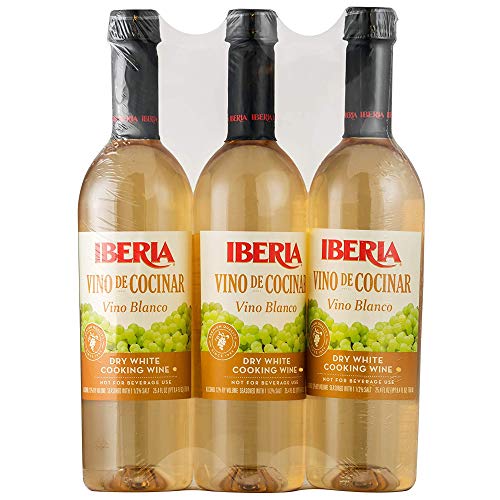
This product is designed for cooking, with a light, flexible profile that works well in seafood dishes, soups, and Italian meals like risotto. It imparts a balanced aroma and flavor to sauces, dressings, and marinades. Best for cooks who want a reliable white wine that integrates smoothly into recipes without overpowering other ingredients.
Who this is best for: home cooks looking for a large-format cooking wine that can stock a pantry and support multiple recipes. Why chosen: its versatility and long shelf life make it a practical kitchen staple. Caution: as a cooking wine, its primary role is in dishes rather than direct drinking.
Iberia White Cooking Wine, 25.4 OZ

This white cooking wine is highlighted for enhancing flavors in a variety of recipes and can be substituted for white wine in many dishes. It’s a practical choice for cooks who want a reliable cooking wine that adds depth to meals without dominating the plate.
Best for: cooks seeking a dependable kitchen staple to lift sauces and stews. Reason: the flavor profile is designed to balance and enrich dishes. Limitation: not intended as a wine to serve alongside a meal as a standalone drink.
Chateau Ste. Michelle Columbia Valley Dry Riesling

This 750 ml bottle offers a dedicated dry Riesling experience with citrus notes, crisp acidity, and an elegant finish. It’s suitable for occasions where a lighter, refined white is preferred. Best for: dry Riesling lovers and those seeking a wine that pairs well with seafood and light poultry dishes.
Why selected: it represents a classic dry Riesling profile from a well-known winery. Caution: style can vary slightly between vintages, so expect slight differences in fruit intensity from bottle to bottle.
Globerati Sauvignon Blanc, 750 mL
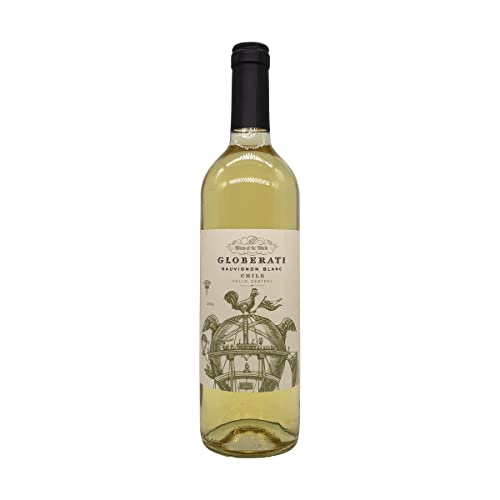
Globerati Sauvignon Blanc from Chile offers citrus bursts of lemon and grapefruit with a hint of honeysuckle. Mineral notes and green apple acidity give it a bright, sassy character. Best for: salads, shellfish, and light pasta dishes where a crisp, aromatic white is desired.
Why selected: its bright acidity and fruit-forward profile make it a reliable white that can handle varied flavors. Limitation: may be too zesty for very rich sauces or heavy meats.
Kedem White Cooking Wine, 12.7oz Bottle

Kedem White Cooking Wine is gluten-free and kosher, designed to bring out deeper flavors in a range of dishes. It’s described as a staple in professional kitchens, and its sugar-free profile suits savory cooking needs. Best for: kosher kitchens or cooks seeking a versatile cooking wine with no added sugar.
Why chosen: its kosher status and no sugar added make it a practical option for specific dietary requirements. Caution: as a cooking wine, it’s geared toward recipes rather than drinking on its own.
Buying Guide: Dry White Wines for Cooking and Drinking
What should I consider when choosing a dry white wine?
Assess acidity level, flavor profile, and intended use. For cooking, a wine with clean acidity and subtle fruit works well to brighten dishes without overpowering sauces. For drinking, consider mouthfeel and finish to match the occasion.
Is a wine labeled “cooking wine” suitable for drinking?
Cooking wines are formulated to perform well in recipes and sauces, often with a higher salt content or additives. They can be drinkable, but their flavor is optimized for cooking versatility rather than a refined aroma in a glass.
What about kosher or sugar-free options?
Kosher options cater to specific dietary needs, while sugar-free choices can be preferable in savory dishes or for guests avoiding sweetness. Both can be suitable for cooking; confirm ingredient lists if allergies or sensitivities exist.
Which dry white wine pairs best with seafood?
Sauvignon Blanc and dry Riesling are solid choices, offering bright acidity and citrus notes that complement fish and shellfish without clashing with delicate flavors.
How important is vintage or region for cooking wine?
For cooking, vintage impacts on flavor can be subtle. The region often informs the wine’s general style. When choosing, focus on acidity, aroma, and compatibility with your recipe rather than exact vintage.
Storage tips for dry white wines
Store upright in a cool, dark place away from heat. Once opened, refrigerate and use within a few days to preserve freshness and prevent oxidation.
FAQ
- What is the best dry white wine for delicate sauces? Answer: Dry Riesling or Sauvignon Blanc offer crisp acidity that enhances sauces without overpowering the dish.
- Can dry white wines be used for deglazing? Answer: Yes, they are ideal for deglazing pans to create flavorful sauces and gravies.
- Are cooking wines suitable for guests who prefer non-sweet drinks? Answer: Cooking wines are not typically chosen for drinking; if serving wine, offer a dedicated glass alongside.
- Should I choose a kosher white for a special meal? Answer: If dietary requirements call for kosher options, Kedem’s White Cooking Wine provides a suitable choice for cooking and meals.
- Is a lighter wine better for seafood vs. heavier sauces? Answer: Lighter, crisper wines generally pair better with seafood, while richer sauces may benefit from a fuller white like a dry Riesling.
- Does the price indicate quality for cooking wines? Answer: Not always. A balanced flavor and reliable acidity are more critical for cooking than price alone.
Leave a Reply