Best High-Protein, Low-Carb Protein Powders for Lean Muscle and Weight Control
Answering the search intent: this guide highlights top protein powders that deliver high protein per serving with minimal carbs and sugar. It helps athletes, dieters, and busy adults choose whey- or plant-based options that fit low-carb plans while supporting muscle recovery and satiety. Below, five top picks are shown with who they’re best for and why. A quick summary table follows to compare core specs at a glance.
| Product | Protein Per Serving | Carbs | Sugar | |
|---|---|---|---|---|
| 30 g | 3 g | 1 g | ||
| 24 g | ~3 g | ~1 g | ||
| 25 g | 0 g | 0 g | ||
| 25 g | 0-3 g | 0 g | ||
| 25 g | 2 g | 1 g |
Premier Protein Powder Vanilla Milkshake
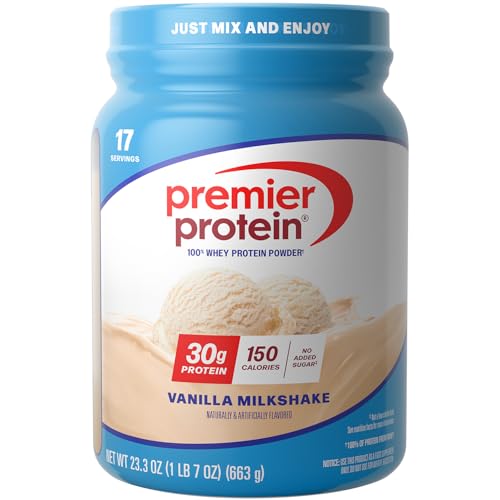
Best for busy individuals who want a quick, milkshake-like flavor with straightforward macros. This powder provides 30 g of protein per serving, 1 g of sugar, and 3 g of carbs. It is dairy-based whey protein, gluten-free, and soy-free, making it a convenient option for those avoiding soy while seeking a satisfying protein boost. Use this for post-workout recovery or a meal supplement when time is short.
Who it’s for: Active adults seeking a rich vanilla flavor without added sugar, and anyone following a keto-friendly regimen who still wants a whey-based option. Potential limitation: slightly higher carbohydrate total than zero-carb formulas, which may matter for strict keto users.
Optimum Nutrition Gold Standard 100% Whey (Double Rich Chocolate)

Best for athletes and fitness enthusiasts who want a trusted, fast-absorbing whey protein with a complete amino profile. Each scoop typically delivers 24 g of protein with a low sugar and carb footprint. It includes naturally occurring BCAAs and EAAs, making it suitable for post-workout recovery and lean-muscle goals. Choose this if you prioritize a well-established formula and high-quality whey protein isolate as the primary ingredient.
Caution: Some flavors can have slightly higher carb values depending on the variant; check the label for your preferred flavor to stay within carb targets.
Isopure Zero Carb Creamy Vanilla

Best for those who want a zero-carb protein powder with pure whey isolate. This option provides 25 g of protein per serving and zero carbs and sugar, supporting strict low-carb or ketogenic plans. It is also gluten-free and suitable for lactose-sensitive consumers seeking a clean, flavorful option. Use it when carb-controlled protein is the top priority and you don’t want added flavors complicating macros.
Limitation: Some users find the flavor a touch plain without flavor mix-ins; best for those who prefer versatility or who mix with flavored beverages.
Premier Protein Plus Fiber Vanilla

Best for those prioritizing gut health alongside protein intake. This 2-in-1 powder combines 25 g of whey protein with 7 g of fiber per serving, helping you feel fuller longer and support digestive wellness. It contains no added sugar and remains low in carbs, making it a strong option for weight management and daily protein needs. Choose this if fiber support is a priority and you tolerate whey well.
Limitation: Fiber can cause slight gastrointestinal adjustments for new users; start with half servings if sensitive.
Dymatize ISO100 Gourmet Vanilla

Best for athletes seeking fast-dacting protein with minimal carbs and fat. This whey isolate powder provides 25 g of protein per serving, around 2 g carbs, and 1 g sugar. It’s designed for rapid absorption and minimal lactose. Ideal for lean-muscle goals, post-workout recovery, and individuals who want a clean protein source with a pure amino profile. Choose this if you want a high-quality isolate with low carbohydrate impact.
Limitation: Some users report flavor nuances depending on mix-in liquids; blending with certain milks or beverages may alter texture and taste.
Buying Guide: Key Considerations for High-Protein, Low-Carb Powders
What counts as high protein and low carb?
High protein typically means 20–30+ grams per serving. Low carb usually implies 3 g or fewer carbs per serving, though some options range up to 5–6 g depending on flavor and formulation. Look for products that emphasize whey isolate or enhanced protein blends to minimize carb intake.
Whey vs. plant-based options
Whey-based powders (whey protein isolate or concentrate) often offer faster absorption and complete essential amino acids. Plant-based powders provide 20–30 g of protein per serving in many cases, but amino acid completeness and absorption rates can vary. Consider dietary restrictions (dairy-free, gluten-free, soy-free) when choosing.
Flavor and texture considerations
Flavor profiles like vanilla or chocolate influence daily use and adherence. Some zero-carb formulas may taste drier or sweeter; choose flavors that mix well with water, milk, or dairy alternatives to align with your preferences.
Digestibility and ingredients
Those with lactose sensitivity may prefer isolates or dairy-free formulas. Check for added prebiotic fiber, digestive enzymes, or probiotics if gut comfort or satiety is a goal. Keep an eye on artificial colors, flavors, and preservatives if you favor clean-label options.
Usage scenarios
- Post-workout recovery: Quick, fast-absorbing proteins (whey isolates)).
- Meal replacement or satiety: Formulas with fiber or larger protein servings.
- On-the-go snacking: Single-serve packets or easy-mix powders with minimal sugar.
FAQ
- Are zero-carb protein powders really carb-free? Most zero-carb formulas list 0 g carbohydrates per serving, but always verify the nutrition label for the specific flavor and batch.
- Is whey protein suitable for cutting phase goals? Yes, whey isolates and low-sugar blends support lean muscle while minimizing caloric intake from carbs and fat.
- Which is best for lactose sensitivity? Whey protein isolate and dairy-free options (plant-based) tend to be gentler on digestion for those with lactose sensitivity.
- Should I choose flavored or unflavored? Flavored varieties improve palatability and adherence; unflavored options are easier to mix with foods without altering taste significantly.
- Can these powders replace meals? While convenient, powders are best paired with balanced meals; some formulas with fiber can help with fullness, but they’re not a complete replacement for every day.
- How do I compare protein sources? Look at protein type (whey isolate vs. concentrate vs. plant-based), amino-acid profile, absorption rate, and any added ingredients like fiber or sweeteners.
Leave a Reply