Best Organic Whole Grain Oatmeal Options for 2026
Looking for organic whole grain oatmeal that delivers steady energy and clean ingredients? This guide highlights five top Amazon picks, explaining who each product is best for and why it stands out. Whether you bake, bowl, or blend, these oats emphasize whole grain nutrition and simple ingredients for everyday breakfasts and snacks.
Summary table of chosen products:
| Product | Best For | Key Benefit |
|---|---|---|
| Bob’s Red Mill Organic Old Fashioned Rolled Oats (32 oz, Pack of 4) | Families seeking versatile rolled oats | Well-rounded nutrition; classic texture |
| Earth’s Best Organic Whole Grain Oatmeal Baby Cereal | Parents feeding infants (4+ months) | Gentle, organic first foods option |
| Yupik Organic Whole Oat Groats | Granola, baking, longer cooking oats | Whole grain groats with nutty flavor |
| Anthony’s Organic Rolled Oats (3 lb) | Gluten-free, organic shoppers | Certified organic, batch-tested gluten-free |
| NOW Foods Organic Rolled Oats (24 oz) | Budget-conscious buyers | Source of fiber, protein, iron; US-made |
Bob’s Red Mill Organic Old Fashioned Rolled Oats, 32oz (Pack of 4)

Best for versatile home cooking and baking. These oats are described as whole grain, minimally processed, and suitable for hot cereals, granola, cookies, and bread. They offer a reliable 6 grams of protein per serving and a meaningful fiber boost to support fullness and steady energy throughout the morning. If you want classic oatmeal texture with broad culinary use, this option is well suited for households that value familiar oats and batch cooking.
Who it’s best for: families and meal-prep fans who want a dependable, all-purpose oat. Why chosen: it’s one of the most widely recommended organic rolled oats with consistent texture and strong branding for versatility. Caution: as a traditional rolled oat, it may require longer cooking times for some recipes compared to quick oats.
Earth’s Best Organic Whole Grain Oatmeal Baby Cereal
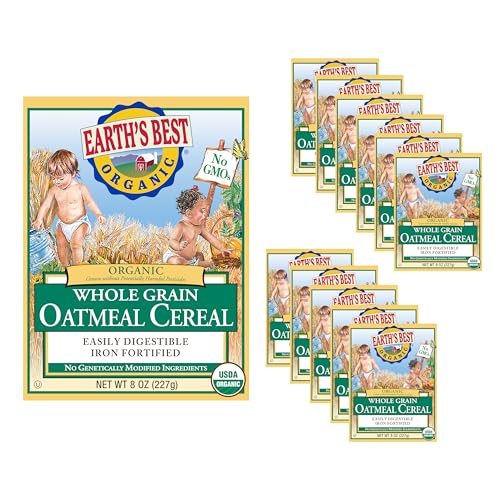
Best for introducing solid foods to infants (4+ months). This product uses organic whole grain oat flour to create a gentle cereal option for early meals. It’s non-GMO, USDA Organic, and Clean Label Project Purity Awarded, with no artificial flavors or colors. This makes it a prudent choice for parents seeking a simple, single-ingredient first food that aligns with organic dietary goals.
Who it’s best for: parents feeding infants starting solids. Why chosen: specifically designed for early nutrition and easy digestion, with a short ingredient list. Caution: not intended as a sole source of nutrition for older children or adults; check serving guidelines before feeding to babies.
Yupik Organic Whole Oat Groats

Best for adventurous cooks and long-cooking breakfasts. Oat groats are the whole kernel and retain more of the bran and germ, delivering a nuttier flavor and chewier texture. They’re certified organic and kosher, providing a versatile base for porridge, pilaf, or baking. The high-fiber profile supports sustained energy, making them ideal for those who want a heartier oatmeal experience.
Who it’s best for: cooks who prefer minimally processed whole grains and nutty oats. Why chosen: groats offer a clear whole-grain option with more texture. Caution: longer cooking times vs. rolled oats; not as quick-cooking for busy mornings.
Anthony’s Organic Rolled Oats, 3 lb

Best for gluten-free and organic-focused shoppers. Anthony’s offers USDA Organic Rolled Oats that are batch tested and verified gluten-free, which is helpful for those with gluten sensitivities or celiac disease who can tolerate oats certified gluten-free. This product emphasizes simple ingredients and reliable organic certification for daily porridge or baking needs.
Who it’s best for: households prioritizing gluten-free oats within an organic program. Why chosen: certified organic with gluten-free verification, supporting dietary restrictions. Caution: gluten-free oats can be processed where gluten-containing grains are present; confirm facility details if cross-contamination is a concern.
Bob’s Red Mill Organic Old Fashioned Rolled Oats, 16oz (Pack of 4)

Best for versatile use in smaller pantry spaces. This option provides multiple 16-ounce packages of rolled oats, preserving the same high-quality organic formulation as larger packs. It’s suitable for daily oatmeal, baking, and snack recipes, offering consistent texture and nutrition. Consider it when you want smaller, frequent-use portions without sacrificing organic integrity.
Who it’s best for: shoppers who prefer smaller package sizes or incremental purchases. Why chosen: same product line with a different packaging option, which can help with storage and freshness. Caution: unit price per ounce may be higher than larger packs; compare to your usage to optimize value.
Bob’s Red Mill Organic Old Fashioned Rolled Oats, 32oz (Pack of 1)

Best for households seeking a single 32-ounce bag with the same trusted quality. This package mirrors the product’s classic rolled oats profile, ideal for a staple pantry item used in many breakfast and baking recipes. It emphasizes whole grain nutrition and straightforward ingredients for daily use.
Who it’s best for: buyers who want a long-lasting staple oat option in a single large bag. Why chosen: consistent quality across Bob’s Red Mill Old Fashioned Rolled Oats family. Caution: ensure you consume before any best-by date after opening for optimal freshness.
Buying Guide
What should you consider when choosing organic whole grain oats?
- Oats type: Rolled oats, quick oats, or oat groats each deliver different textures and cooking times. Choose based on your preferred use—porridge, baking, or granola.
- Organic certification: Look for USDA Organic or equivalent labeling to ensure non-GMO and organic farming practices.
- gluten considerations: If you have celiac disease or gluten sensitivity, opt for oats that are labeled gluten-free and processed in dedicated facilities.
- Packaging and frequency: Larger bags save per-ounce cost but require storage space and longer shelf life; smaller packs reduce opening frequency.
- Additional ingredients: Most organic oats are minimal, but some may include added vitamins or fortification—verify label if avoiding additives.
- Intended use: For infants, infant cereals are separate products with age-appropriate nutrition; for adults, rolled oats or groats suit breakfasts and baking.
What else to consider?
Texture preferences, cooking times, and flavor tolerance influence which oat to buy. If you want a chewy, nutty bite, oat groats offer the most texture. For quick weekday breakfasts, rolled oats balance ease and nutrition. For baking versatility, rolled oats remain a staple in cookies and granola bars.
Practical buying tips
- Check for a resealable bag or airtight container to maintain freshness after opening.
- Compare similar product sizes to estimate long-term cost per serving.
- Review storage conditions—store in a cool, dry place to extend shelf life.
FAQ
- Q: Are organic oats gluten-free by default? A: Oats are naturally gluten-free but can be cross-contaminated during processing; choose products labeled gluten-free if sensitivity is a concern.
- Q: What’s the difference between rolled oats and oat groats? A: Rolled oats are steamed and flattened for quick cooking, while groats are whole kernels with longer cooking times and a chewier texture.
- Q: Can organic oats be used for baking? A: Yes, oats are commonly used in cookies, breads, and granola; choose the form (rolled, quick, groats) that matches your recipe’s steps.
- Q: Do organic oats contain added sugars? A: Most plain oats do not, but always check the label for any added ingredients or fortification.
- Q: Is there a difference between brands in organic purity? A: Certification and processing practices vary; look for USDA Organic and manufacturing transparency on ingredient lists.
- Q: Which oat is best for babies? A: Organic infant cereals made from oat flour are designed for early feeding; always follow pediatric guidance for solid foods.
Leave a Reply