Best Low Fat Dog Food for Weight Management and Digestive Health
Finding the right low fat dog food helps manage weight while supporting digestion, skin, and coat health. This guide highlights five veterinarian- and nutritionist-referenced options suited for dogs needing reduced fat intake, easier digestion, or weight control. Each product targets different needs—from severe digestive concerns to steady weight management—so you can pick the best fit for your dog’s lifestyle and medical considerations.
| Product | Brand | Type | Best For |
|---|---|---|---|
| SquarePet 4.4 lb | SquarePet | Dry, Low Fat | Digestive support, small breeds |
| Blue Buffalo Life Protection | Blue Buffalo | Dry, Weight Management | Lean muscles, weight control |
| Hill’s Prescription Diet i/d Low Fat Dry | HILL’S PRESCRIPTION DIET | Dry, Low Fat Digestive Care | Digestive health, fat-sensitive dogs |
| Natural Balance Original Ultra Fat | Natural Balance | Dry, Low Calorie | Weight management, appetite control |
| SquarePet 22 lb | SquarePet | Dry, Low Fat | Digestive support, larger dogs |
SquarePet Veterinarian Formulated Solutions Low Fat Content Lean Whitefish

Best for dogs prone to pancreatitis or fat sensitivity, this formula is veterinarian formulated to be low in fat without prescription. It includes a dietary fiber blend, prebiotics, and probiotics to support digestion. Crucial omega-3 and omega-6 fatty acids aid skin, coat, and immune function. Suitable for dogs needing a premium, non-prescription option.
Who it’s for: small- to medium-breed dogs with fat digestion concerns or those transitioning to a low-fat diet. Caution: not a substitute for veterinary advice if your dog has complex medical conditions.
Blue Buffalo Life Protection Formula Healthy Weight Dry Dog Food

Real chicken first and balanced nutrition make this an accessible option for steady weight management. It’s designed to promote lean muscles and energy with antioxidant-enriched LifeSource Bits. This choice is better for dogs that need reliable protein and a straightforward path to weight control without prescription diets.
Who it’s for: adult dogs needing steady weight management and muscle support. Limitation: may not be suitable for dogs with specific pancreatitis or fat-sensitive conditions requiring ultra-low fat formulations.
Hill’s Prescription Diet i/d Low Fat Dry Digestive Care

This dry option is specifically formulated to support digestive health in dogs who need a low-fat diet. Hill’s nutritionists and veterinarians guide the formulation to promote easy nutrient absorption and reduced stool issues. It’s a strong pick for dogs with fat intolerance and digestive sensitivity who also require consistent nutrition.
Who it’s for: dogs with diagnosed digestive issues or fat sensitivities. Caution: prescription diets typically require veterinary guidance and monitoring.
Natural Balance Original Ultra Fat – Low Calorie
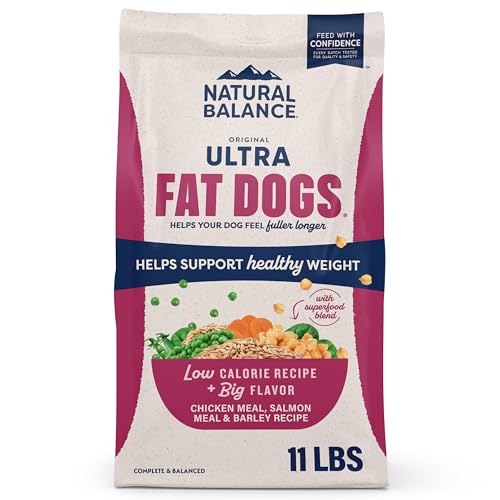
Ultra reduced calories with a focus on satisfying taste and fiber for fullness. First ingredients include chicken meal for protein, with peas and grains to support digestion. It’s a practical option for dogs needing weight management without feeling deprived.
Who it’s for: dogs that respond well to a lower-calorie diet while still enjoying a complete, tasty meal. Limitation: may not provide the very low fat level required for pancreatitis-prone dogs.
SquarePet Veterinarian Formulated Solutions Low Fat Whitefish 22 lb

A larger-breed or higher-quantity option, this low-fat formula emphasizes digestibility, immune support, and skin-coat health with a proprietary fiber blend and essential fatty acids. It’s well-suited for dogs needing a cellulose- and probiotic-rich diet without prescription constraints.
Who it’s for: larger dogs or households needing more quantity with consistent low-fat nutrition. Limitation: intended as a low-fat option, but not a veterinary prescription diet, so complex medical cases should consult a vet.
Buying Guide: Key Considerations For Choosing A Low Fat Dog Food
What qualifies as “low fat” varies. Check guaranteed analysis to compare fat percentages and total calories per cup. Look at digestibility features, such as added prebiotics, probiotics, and soluble fiber. Consider protein quality and the inclusion of real meat as the first ingredient. Weight management goals drive portion control, so evaluate feeding guidelines and your dog’s activity level.
How To Decide Between Dry And Canned Options
Dry food generally offers more convenience and shelf stability for weight management. Canned or wet formulas can improve palatability and hydration, which may be helpful for digestive health. For dogs with sensitive digestion, some prefer a dry food with added moisture during meals to aid digestion.
Practical Questions For Your Vet Or Nutritionist
- Should my dog be on a prescription or non-prescription low-fat diet?
- What fat level is appropriate for my dog’s digestive health and pancreatitis risk?
- How should portions be adjusted as weight changes occur?
- Are probiotics or fiber supplements recommended with this diet?
Choosing By Life Stage And Activity
Puppies, adults, and seniors have different caloric needs. Active dogs may require higher protein while maintaining a low fat intake. Senior dogs can benefit from balanced fiber for digestion. Always align the diet with current health status and activity level.
FAQ
- What is the main purpose of a low fat dog food? — To reduce fat intake while preserving essential nutrients for digestion, energy, and weight management.
- Can I switch my dog to a low fat diet abruptly? — Yes, but gradual transition over 7–10 days reduces the risk of digestive upset.
- Do these foods require veterinary prescription? — Some options are prescription diets; others are over-the-counter but formulated for fat-sensitive needs.
- Is high fiber always better for weight management? — Fiber aids fullness and digestion, but too much can cause gas or discomfort; follow label guidelines.
- Can I mix dry and wet foods on a low-fat plan? — Mixed textures can help with palatability; ensure the total daily calories align with weight goals.
- How do I monitor progress on a low-fat diet? — Track weight, body condition, stool quality, and energy levels with regular veterinary check-ins.
Leave a Reply