Best 100 Calorie High Protein Bars for Quick, Low-Sugar Snacking
If you’re searching for high-protein treats that keep calories in check, you’ve found a practical guide. This article highlights 5 practical options featuring around 100 calories per bar, plus a couple of close contenders for low-sugar, high-protein snacking. Ideal for busy professionals, students, and fitness enthusiasts who want a fast, portable protein boost without a sugar spike. The top picks include bars that are gluten-free, dairy-free, or plant-based where noted. A compact summary table is included for quick comparisons.
Summary of chosen products (quick reference):
| Product | Brand | Calories (approx.) | Best For |
|---|---|---|---|
| YuBi Bars | Yubi Bar | ≈99 | Low-calorie, low-sugar option; gluten-free and dairy-free |
| Protein One Peanut Butter Chocolate Protein Bars | Protein One | ≈100 | GLP-1 friendly, portable protein |
| Pure Protein Chocolate Peanut Butter | Pure Protein | ≈190 | Higher protein, lower sugar; meal-replacement snacking |
| Quest Nutrition Variety Pack Protein Bars | Quest | ≈20–21 g protein, 4–5 g net carbs | High protein, low carb flexibility |
| KIND Protein MAX Bars Variety Pack | KIND | ≈20 g protein per bar | Real ingredients, bar variety |
YuBi Bars – Protein Bars, 12 Pack Variety (≈99 Calories)

Features: Gluten-free and dairy-free; low sugar; palm oil free; non-GMO. YuBi Bars aim to taste like a chocolate bar while delivering modest calories and 10 g of protein per bar. The product is produced in a facility that avoids gluten and dairy to accommodate a broad range of dietary needs.
Best for: Individuals seeking a low-calorie, low-sugar protein option that’s still satisfying. Great for a quick afternoon pick-me-up or pre-workout snack without compromising dietary restrictions.
Why selected: The bar’s near-100 calorie profile makes it one of the few clearly labeled options in this space with a strong flavor claim and a clean ingredient approach (gluten and dairy free).
Caution/limitation: The taste preference may vary; some users report stronger chocolate flavor than texture expectations for a very low-calorie bar.
Protein One Peanut Butter Chocolate Protein Bars

Features: 10 g of protein per bar, 100 calories per bar, and GLP-1 friendly. The bar is described as a flavorful peanut butter chocolate option with a satisfying coating. It includes fiber and is designed to help with daily protein goals while keeping sugar low.
Best for: Those who want a precisely portioned 100-calorie protein boost with a taste profile similar to a chocolate bar, plus a focus on GLP-1 friendly formulations.
Why selected: The fixed 100-calorie count and protein contribution align directly with the target keyword. The flavor pairing and portability make it a strong grab-and-go option.
Caution/limitation: Some flavors may appeal more to chocolate lovers; those avoiding peanuts should skip this variant.
Pure Protein Chocolate Peanut Butter

Features: 21 g protein per bar, 3 g sugar, 190 calories. A convenient pantry staple for pre- or post-workout energy with a chocolate peanut butter flavor. Bars are gluten-free and marketed as a high-protein snack with relatively low sugar for the macros.
Best for: People who want a higher protein option and don’t mind a higher calorie count per bar; suitable for post-workout recovery or as a substantial snack.
Why selected: It demonstrates the contrast between calorie load and protein content, useful for readers who want to balance macro goals across a day.
Caution/limitation: Calorie count is higher than the strict 100-calorie target; may not fit into very strict calorie budgets.
Quest Nutrition Variety Pack Protein Bars

Features: 20–21 g protein, 4–5 g net carbs, 0–2 g sugar per bar, gluten-free and keto-friendly. The variety pack offers multiple flavors to suit different cravings, with a focus on integrating protein into a low-carb approach.
Best for: Active individuals who want variety and higher protein per bar while keeping net carbs relatively low.
Why selected: Quest bars are a staple in high-protein, low-carbohydrate snacking and provide clear macro benefits for readers tracking carbs and sugars.
Caution/limitation: Each bar provides substantially more calories than 100; not the best match for the specific 100-calorie goal, but included due to relevance to high-protein profiles.
KIND Protein MAX Bars Variety Pack
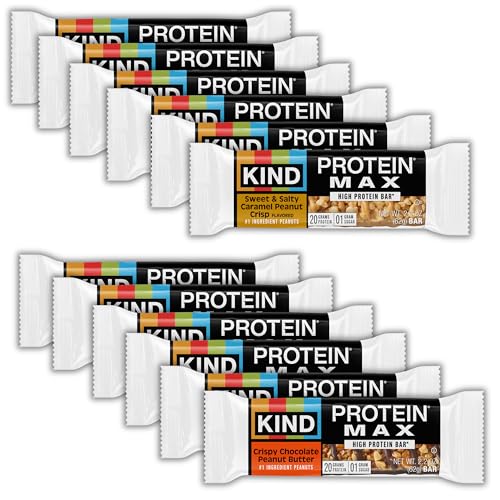
Features: 12 bars total; each bar provides around 20 g protein. Flavors include Crispy Chocolate Peanut Butter and Sweet & Salty Caramel Crisp. Bars aim to deliver high protein with real ingredient focus and low added sugar.
Best for: Snackers who want a protein-rich bar with a real-food ingredient profile and cookie-caramel flavor variety.
Why selected: Represents a strong alternative for readers who want higher protein per bar with a focus on clean ingredients and lower added sugar.
Caution/limitation: Higher calories per bar than the exact 100-calorie target; choose smaller portions if calorie control is essential.
Buying Guide: How to Choose 100 Calorie High Protein Bars
What to look for in macros
Focus on bars around 100 calories with at least 6–10 g of protein. Check sugar: aim for 3–5 g or less when possible. Consider net carbs if you follow a low-carb or keto approach; many 100-calorie bars lean into sugar and carb balance rather than total carbs.
Dietary needs and ingredients
Gluten-free or dairy-free options are helpful for dietary restrictions. Plant-based bars can be suitable for vegetarians and vegans. Always read the ingredient list if you have allergen concerns (peanuts, soy, dairy, gluten).
Texture and taste considerations
Low-calorie bars sometimes prioritize taste over texture. If you prefer a chocolate-bar experience, look for bars that emphasize flavor claims and texture as part of the 100-calorie profile.
Use cases and timing
100-calorie bars work well as a mid-afternoon snack, a pre-workout boost, or a quick protein source during travel. Pair with a small fruit or yogurt if you need more satiety.
Portability and packaging
Individually wrapped bars are ideal for on-the-go snacking. Look for bars that sustain freshness in travel or gym bags without melting or crumbling.
FAQ
- Are 100-calorie bars enough protein to curb hunger? For many people, 6–10 g of protein per bar plus fiber can help reduce appetite between meals, though individual results vary.
- Do low-calorie bars taste like real chocolate? Some brands use chocolate-like coatings and flavorings to approximate the experience without high calories, but taste is highly dependent on the brand and formulation.
- Should I choose a low-sugar or low-calorie bar? If you’re counting calories, a 100-calorie bar with moderate sugar can be a better match for a strict budget. If sugar control is the priority, prioritize bars with 3–5 g sugar or less.
- Can I rely on protein bars as a meal replacement? Some high-protein bars are designed for snacks rather than meals. For a meal replacement, combine a bar with other nutrient-dense foods to meet daily caloric and macro targets.
- Are gluten-free or dairy-free bars always healthier? Not necessarily. Dietary needs don’t automatically equal better nutrition. Check macros and ingredients to ensure alignment with your goals.
- How do I store these bars for freshness? Store in a cool, dry place or refrigerate if you live in a warm climate to extend freshness and maintain texture.
Leave a Reply