Best Vegan Protein Powder With Leucine for Plant-Based Performance
If you want vegan protein powder that includes leucine to support muscle protein synthesis, recovery, and overall plant-based performance, this guide spotlights five strong options. Best for athletes, active adults, or anyone prioritizing complete amino acid profiles, these picks emphasize either leucine content or complete plant-based protein blends with BCAAs. The buyer’s intent and key strengths are summarized below to help you compare quickly.
| Product | Best For | Notes |
|---|---|---|
| Nutricost Pure L-Leucine Powder | Leucine supplementation | High-dose pure L-Leucine, non-GMO |
| Health Thru Nutrition Pure L-Leucine Powder | Muscle recovery and growth | Fermented, vegan-certified |
| NutraBio 100% Pure L-Leucine | Pure amino acid support | 3 g per serving, vegan, non-GMO |
| Garden of Life Protein Powder (Vegan, BCAAs & Probiotics) | Complete plant protein + BCAAs | 22 g protein, 4 g BCAAs per serving |
| Orgain Organic Vegan Protein Powder | Everyday vegan protein with complete amino acids | 21 g protein, 0 g sugar, gluten-free |
Nutricost Pure L-Leucine Powder 500 Grams

Features: 500 grams of L-Leucine powder; Non-GMO and gluten-free; Primary branched-chain amino acid (BCAA).
Best for: Athletes and gym-goers who want a high-purity leucine supplement to support muscle protein synthesis. This is a straightforward, single-amino-acid option when leucine is the main goal.
Caution: Does not provide a complete protein profile or other amino acids; use as a targeted leucine supplement rather than a full protein source.
Health Thru Nutrition Pure L-Leucine Powder 300g

Features: Premium, vegan-certified L-Leucine; Non-GMO and fermented; 5 grams per serving for muscle recovery and growth.
Best for: Individuals seeking a vegan-certified leucine supplement to pair with a protein shake or post-workout routine. Clear, high-dose leucine support without added sugars or fillers.
Limitation: Pure leucine powder may require mixing with other protein sources to complete the amino acid profile.
NutraBio 100% Pure L-Leucine
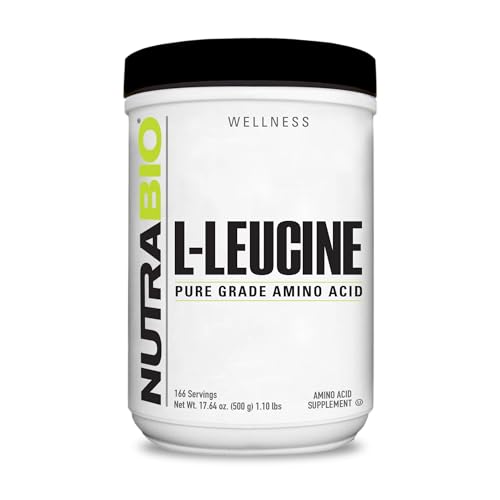
Features: 3 grams of pure L-Leucine per serving; Essential BCAA; vegan, non-GMO, gluten-free.
Best for: Those who want a cost-effective, pure leucine supplement to support muscle synthesis and recovery as part of a broader protein regimen.
Limitation: Pure leucine lacks the full spectrum of amino acids; use alongside a complete vegan protein powder for best results.
Garden of Life Protein Powder (Vegan, BCAAs & Probiotics)

Features: 22 g complete plant protein, 4 g BCAAs, 5 g fiber; probiotics and digestive enzymes; 130 calories per serving; vanilla flavor; organic peas and sprouted grains.
Best for: Those wanting a full vegan protein powder with a robust BCAA profile, plus probiotics for digestive support and satiety.
Caution: Contains more calories per serving than some lean protein options; check flavor profile if you prefer lighter options.
Orgain Organic Vegan Protein Powder, Natural Unsweetened

Features: 21 g organic plant-based protein per serving; 0 g sugar; 4 g prebiotic fiber; low net carbs; gluten-free and non-GMO; no added sugar.
Best for: Vegans seeking a simple, unsweetened protein base with gut-friendly fiber and a clean ingredient panel for shakes or recipes.
Limitation: Does not highlight a high leucine concentration like dedicated leucine powders; use to complement other leucine-focused ingredients if needed.
Buying Guide: Key Considerations For Choosing A Vegan Protein Powder With Leucine
- Leucine content: If your primary goal is leveraging leucine for muscle protein synthesis, prioritize products that provide pure L-Leucine or a strong BCAA profile. Leucine-only powders work well as a supplement to complete vegan proteins.
- Protein completeness: For plant-based diets, protein powders that include all nine essential amino acids or a complete mix (pea, rice, chia, etc.) improve overall amino acid balance.
- Allergen and diet compatibility: Look for non-GMO, gluten-free, dairy-free, soy-free options as needed. USDA Organic or vegan-certified labels signal alignment with plant-based standards.
- Flavor and sweetness: Some powders are unsweetened or lightly sweetened with natural sources like monk fruit. Consider whether you want a neutral base or a flavored option for smoothies.
- Digestive support: Probiotics, fiber, and added enzymes can aid digestion and satiety, particularly in vegan formulas with higher fiber.
- Usage scenario: For post-workout recovery, pick powders with a balanced amino acid profile and higher protein per serving. For targeted leucine supplementation, combine a pure leucine powder with a complete plant protein.
- Mixability and texture: Some blends are smoother than others. If you dislike chalky textures, look for products specifically noted for good mixability.
Frequently Asked Questions
- What is leucine and why is it important for vegans?
Leucine is an essential amino acid that helps stimulate muscle protein synthesis. It is particularly important for those on vegan diets to ensure adequate amounts in combination with other amino acids. - Can I rely on plant-based protein alone for muscle growth?
Yes, a complete plant-based protein with all essential amino acids can support muscle growth when paired with resistance training. Leucine-rich options can enhance the effect. - What’s the difference between a pure leucine powder and a vegan protein powder?
Pure leucine powder provides a single amino acid, while vegan protein powders deliver a complete protein with multiple amino acids, including leucine. - Are there any downsides to leucine supplementation?
Excessive leucine without adequate other amino acids may not be optimal. Combine with a balanced plant protein to ensure all essential amino acids are covered. - How should I choose between organic and non-organic options?
Organic options avoid synthetic pesticides and may align with broader dietary preferences. Choose based on labels, taste, and personal values. - Is probiotic-containing vegan protein better for digestion?
Probiotics can support gut health for some individuals, especially when consuming high-fiber vegan proteins. Personal tolerance varies.
Leave a Reply