Best Vegan Protein Supplements for Shakes and Snacks
Direct answer: High-quality vegan protein supplements offer clean ingredients, complete amino acids, and convenient options for daily nutrition. This guide highlights five products that balance taste, fiber or added nutrients, and plant-based protein for vegan adults, athletes, and busy lifestyles. Each pick is best for different needs, from pure protein boosts to fiber-rich blends and superfood additions.
Buying quick reference: the following table summarizes the five selected vegan protein options, their primary protein source, notable extras, and best-for scenarios.
| Product | Protein Type | Key Perks | Best For |
|---|---|---|---|
| Orgain Organic Vegan Protein Powder Vanilla Bean | Pea, Brown Rice, Chia | 6g prebiotic fiber, USDA Organic, non-GMO | Everyday shakes, gut-friendly boost |
| Anthony’s Premium Pea Protein | Pea Protein Isolate | Gluten-free, lactose-free | Simple, unflavored protein base |
| Orgain Organic Vegan Protein Powder Creamy Chocolate Fudge | Pea, Brown Rice, Chia | 0g sugar, prebiotic fiber | Chocolate flavor for tastier shakes |
| Just Hemp Foods Hemp Protein Powder Plus Fiber | Hemp | 11g protein, 11g fiber per serving | Fiber-forward protein mix |
| Orgain Organic Vegan Protein + 50 Superfoods Powder Vanilla Bean | Pea, Brown Rice, Chia | 50 organic superfoods, 8g prebiotic fiber | Nutrition-dense everyday use |
Orgain Organic Vegan Protein Powder Vanilla Bean
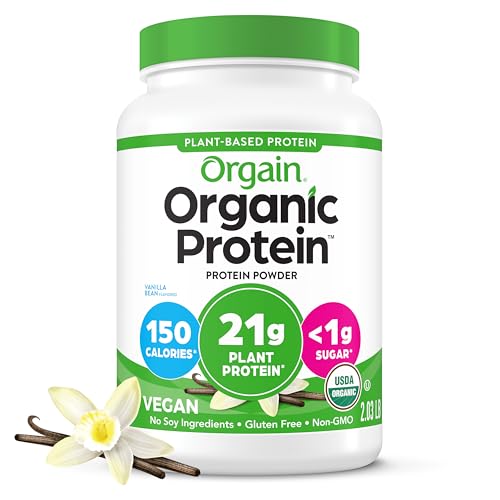
Protein source: 21g per serving from organic pea, brown rice, and chia with all 9 essential amino acids. Contains 6g prebiotic fiber for gut support and low net carbs. This powder is vegan, gluten-free, non-GMO, and free of lactose, soy, carrageenan, and artificial additives.
Best for: Vegans seeking a clean, familiar vanilla flavor with gut-friendly fiber and a straightforward protein profile. The blend supports daily protein goals without dairy or soy ingredients.
Caution: Some users prefer varieties with less sweetness; check for label changes in packaging variations.
Orgain Organic Vegan Protein Powder Creamy Chocolate Fudge

Protein source: 21g plant-based per serving from pea, brown rice, and chia with all nine essential amino acids. Features 0g sugar and 6g prebiotic fiber for gut health. Certified organic, vegan, gluten-free, non-GMO, and free from dairy ingredients.
Best for: Those who want a chocolate-flavored protein option with minimal sugar and added fiber to support digestion and fullness between meals.
Limitation: Flavor intensity can vary by batch; taste test is advised for first-time users.
Just Hemp Foods Hemp Protein Powder Plus Fiber

Protein source: 11g protein and 11g fiber per serving from hemp. Minimal ingredients with hemp protein as the primary source. Plant-based, non-GMO verified.
Best for: Anyone seeking a fiber-forward vegan protein option to support digestive health and steady appetite control in smoothies or baking.
Caution: Hemp protein can have a distinct earthy taste and grittier texture; consider pairing with fruit or a creamy dairy-free milk alternative.
Orgain Organic Vegan Protein + 50 Superfoods Powder Vanilla Bean
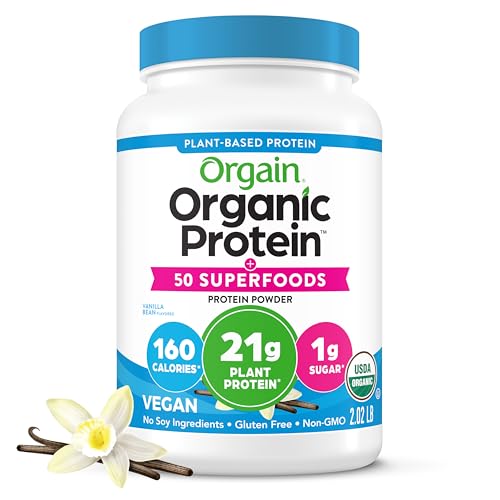
Protein source: 21g plant-based per serving from organic pea, brown rice, and chia with 9 essential amino acids. Notable additions include 50 organic superfoods and 8g prebiotic fiber for gut support. Certified organic, vegan, gluten-free, non-GMO, soy-free.
Best for: Those who want a nutrient-dense protein boost with added micronutrients from a broad blend of greens and herbs for overall daily nutrition.
Caution: The blend may alter flavor or texture for some recipes; test with smoothies to gauge taste compatibility.
Buying Guide
What should I consider before choosing a vegan protein powder?
- Protein source and amino acid profile: Look for blends that provide all essential amino acids and a complete protein profile, especially if you rely on plant proteins as your main source.
- Fiber and gut health: Some blends include prebiotic fiber, which can aid digestion and satiety. Consider whether you want a fiber boost or a simpler protein powder.
- Allergen and ingredient considerations: If you avoid dairy, soy, or gluten, verify the label for potential allergens and cross-contamination notes.
- Flavor, sweetness, and sugar content: Some options are low or zero sugar; others use natural flavors. Choose based on your taste preference and dietary goals.
- Additional nutrients: Superfood blends or fortified proteins can offer extra vitamins and minerals, but check that they align with your nutrition plan.
How to use vegan protein powders effectively
- Shake with water, plant milk, or yogurt alternatives for a quick breakfast or post-workout drink.
- Blend into smoothies with fruits, greens, and seeds for a balanced meal.
- Add to oatmeal or baked goods to increase protein content without dairy.
Who should avoid certain vegan protein blends?
- Those sensitive to fiber: High-fiber blends may cause GI discomfort if consumed in large amounts at once.
- People with grain sensitivities: Some blends contain gluten-free claims, but cross-contact can occur; verify facility information if you have celiac disease.
Frequently asked questions
- Are vegan protein powders as effective as whey? Plant-based proteins can provide complete amino acids, though absorption rates may differ. Look for blends designed for complete amino profiles.
- Is organic certification important? Organic certification ensures adherence to certain farming and processing standards, but it’s not the only quality measure. Consider third-party testing and ingredient quality.
- Can vegan protein powders aid muscle recovery? Yes, when paired with resistance training and adequate overall protein intake, these powders can support muscle repair and growth.
- How do I choose the right flavor? Start with a neutral or familiar flavor (vanilla or chocolate) and assess mixability and taste with your preferred liquids.
- Are there high-protein vegan powders with added fiber? Yes, some blends include prebiotic fiber or additional greens to support digestion and satiety.
Leave a Reply