Best Tea for Gas and Bloating: Relief Through Gentle, Herbal Comfort
For quick relief from gas and bloating, several herbal teas blend carminatives with soothing flavors. This guide spotlights five top options, exploring how each supports digestion, reduces discomfort, and fits into daily routines. All selections are caffeine-free, many are organic, and they emphasize natural ingredients designed to ease bloating and gas without harsh additives.
| Product | Brand | Key Benefit | Format |
|---|---|---|---|
| Traditional Medicinals Organic Peppermint Tea | Traditional Medicinals | Soothes belly and alleviates digestive discomfort | 16 tea bags |
| Traditional Medicinals Gas Relief Digestive Tea | Traditional Medicinals | Relieves gas and bloating | 96 tea bags (pack) |
| Traditional Medicinals Organic Gas Relief | Traditional Medicinals | Herbal carminatives for digestion support | 16 tea bags |
| Traditional Medicinals Organic Gas Relief Chamomile Mint | Traditional Medicinals | Relieves gas and bloating with minty notes | 16 tea bags |
| Yogi Tea Lemon Ginger | Yogi | Soothes stomach with ginger and peppermint | 16 tea bags |
Note: The table highlights each product’s primary relief focus and format to help you compare at a glance. All entries are caffeine-free or feature calming herbal blends aimed at digestive comfort.
Traditional Medicinals Peppermint Tea

Herbal teas emphasize organic peppermint leaves that soothe the belly and relieve occasional digestive discomfort. The minty aroma and flavor are refreshing, making it easy to drink regularly. Peppermint’s active oils are thought to help relax intestinal muscles and reduce spasms, contributing to gas relief and overall comfort. This option uses organic leaves sourced from the Pacific Northwest, aligning with organic farming practices and high essential oil content.
Traditional Medicinals Gas Relief Digestive Tea

This traditional blend centers on carminative herbs known for supporting digestion and easing gas. The aroma blends mint with subtle spiced notes to deliver a comforting, calming cup. Its plant-based formula has a long history of use for digestive relief, making it a practical daily option for bloating after meals or occasional gas episodes.
Traditional Medicinals Organic Gas Relief
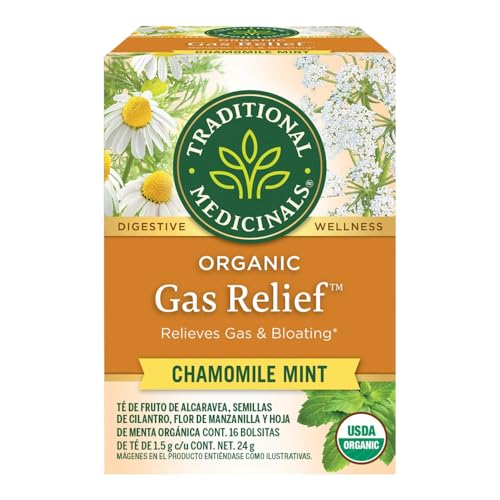
Crafted by herbalists, this formula combines gas-relieving herbs—carminatives—into a conventional tea that’s gentle on the stomach. The emphasis is on digestion support, with a long-heralded herbal tradition behind these ingredients. It’s designed for regular consumption to help manage gas and bloating over time, rather than providing an immediate, single-use fix.
Traditional Medicinals Gas Relief Chamomile Mint
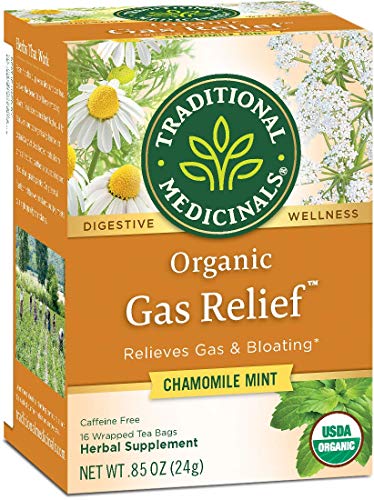
This chamomile-mint blend combines soothing chamomile with the cooling, digestive-supporting properties of mint. It’s designed to relieve gas and bloating while offering a gentle, aromatic experience. The blend features the traditional carminative herbs that have supported digestive comfort for generations, making it a reliable daily choice for sensitive stomachs.
Yogi Lemon Ginger

Yogi Lemon Ginger blends lively ginger with lemon peel and peppermint leaf for a balanced, comforting cup. The ginger component is renowned for supporting digestion and reducing nausea, while peppermint adds a cooling note that can help settle the stomach. This organic, non-GMO tea is well-regarded for its warming, citrusy profile that can ease digestive distress after meals.
Buying Guide: Key Purchase Considerations and Comparisons
- Herbal profile: Carminatives (like peppermint, ginger, and chamomile) are central to gas relief. Consider blends that pair these with mint or citrus for a soothing flavor and effective digestion support.
- Organic and non-GMO status: Organic ingredients reduce exposure to synthetic pesticides. If organic labeling matters, prioritize options with organic certifications.
- Digestive goals: Some blends focus on immediate relief from bloating, while others support long-term digestive health. Choose based on whether you want quick comfort or ongoing support.
- Flavor preferences: Mint-forward teas offer a refreshing palate, while lemon-ginger blends deliver a zesty kick. Pick flavors that you’ll drink regularly.
- Caffeine and dietary considerations: Most options listed are caffeine-free, suitable for evening use. For sensitive stomachs or specific diets (AIP, gluten-free, vegan), verify labels and ingredients.
- Packaging and sustainability: Packaging type (tea bags vs. loose leaf) and compostable or recyclable materials can align with environmental values.
- Brand familiarity and trust: Traditional Medicinals and Yogi are established brands with long-standing reputations for digestive-relief teas, offering a broad array of carminative blends.
- Serving size and count: Larger packs (e.g., 96 tea bags) may provide better value for regular use, whereas single-serve options offer convenience for travel.
Each product presents a distinct approach to gas and bloating relief through natural, herbal methods. When selecting, weigh the combination of active herbs, flavor preference, and how you plan to incorporate tea into your daily routine to achieve consistent digestive comfort.
Leave a Reply