Best Low Fat High Protein Cereal for Busy Mornings
Looking for a low-fat, high-protein cereal that boosts energy without sacrificing taste? This guide highlights five top picks ideal for different buyers, from fitness-focused mornings to quick office breaks. Each option offers a solid protein punch with varying fiber, sugar, and gluten considerations to match dietary needs.
Summary table of chosen products:
| Product | Protein per Serving | Key Benefit | Best For |
|---|---|---|---|
| Catalina Crunch Protein Cereal, Cinnamon Toast | 11 g | Gluten free, sugar free, non-GMO | Crunch lovers seeking gluten-free option |
| Catalina Crunch Protein Granola, Vanilla Almond | 13 g | Fiber rich, gluten-free, lower sugar | Granola fans needing higher fiber |
| Kellogg’s Special K Zero Breakfast Cereal, Strawberry Creme | 18 g | Zero added sugar, high protein | Low-sugar, high-protein cereal |
| Premier Protein Mixed Berry Almond Cereal | 20 g | Dried berries and almonds, protein-packed | Flavorful, berry-essenced high-protein option |
| Cheerios Protein Cereal, Cinnamon | 8 g | Whole grain and protein blend | Simple, kid-friendly option with protein |
Catalina Crunch Protein Cereal, Cinnamon Toast

Protein per serving: 11 g per 1/2 cup. Fiber: 6 g per 1/2 cup. Contains gluten-free, sugar-free, Non-GMO Project Verified, and Kosher ingredients. This cereal is designed for those seeking a gluten-free, high-protein option with clean ingredients.
Best for: Protein-focused mornings with gluten-free requirements or those who want a lower-sugar cereal without sacrificing taste. The 11 g protein and 6 g fiber support satiety and steady energy.
Limitation: Serving size is a half cup; compare portion sizes to ensure protein goals are met per meal.
Catalina Crunch Protein Granola – Vanilla Almond
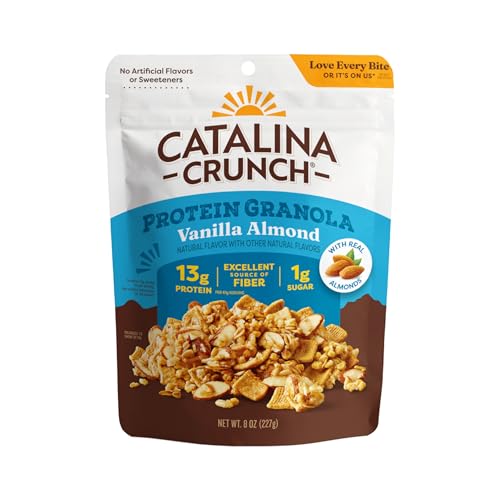
Protein per serving: 13 g per 61 g serving. Fiber: 8 g per serving. Gluten-free and lower sugar with no artificial flavors. This option leans toward higher protein and fiber with a granola texture.
Best for: Fans of granola textures who want more protein per serving and higher fiber for fullness. Ideal for bowls with yogurt or as a crunchy snack.
Limitation: Granola portions are larger; watch serving sizes to avoid larger calorie intake if monitoring macros.
Kellogg’s Special K Zero Breakfast Cereal, Strawberry Creme

Protein per serving: 18 g. Net carbs: 4 g per serving (13 g total carbs minus 5 g fiber minus 4 g allulose). Zero added sugar; dairy-kosher; includes iron. Cereal crafted for higher protein with lower net carbs.
Best for: Those seeking a high-protein, low-added-sugar option with a creamy strawberry flavor. Suitable for low-sugar, high-protein diets.
Limitation: Contains allulose and may not be suitable for all taste preferences; check tolerance for low-sugar formulations.
Premier Protein Mixed Berry Almond Cereal

Protein per serving: 20 g. Flaked cereal with dried berries and sliced almonds. Designed for a protein-forward breakfast option with fruit and nut mix-ins for added texture.
Best for: Consumers needing a very high protein cereal option, especially those who enjoy berry flavors and almond mix-ins.
Limitation: Flavor complexity may not suit those who prefer plain cereals; check portions to manage calories.
Cheerios Protein Cereal, Cinnamon

Protein per serving: 8 g. Whole grain base with pea protein, cinnamon flavor for a familiar taste. Suitable for families and individuals seeking a simple protein boost in a familiar format.
Best for: Those who want a budget-friendly, widely available option with a recognizable taste profile. Not the highest protein, but provides steady protein contribution along with whole grains.
Limitation: Lower protein than some peers; may be less ideal for strictly high-protein diets.
Buying Guide
What to consider when choosing a low-fat, high-protein cereal
- Protein per serving: Aim for at least 11–20 g per serving to maximize morning fullness and support muscle needs.
- Added sugar: Look for zero added sugar or lower sugar formulations if you’re managing sugar intake.
- Fiber content: Higher fiber (4–8 g per serving) helps digestion and satiety; consider whole-grain bases for sustained energy.
- Allergens and dietary needs: Gluten-free, non-GMO, kosher, or dairy-free options may be important depending on your lifestyle.
- Flavor and texture: Cereal textures range from crispy flakes to granola clusters; choose based on preference for yogurt pairing or milk type.
- Serving size and calories: Some cereals use larger serving sizes; compare actual calories per serving to meet daily goals.
- Flavor variety: Berry, cinnamon, vanilla almond, and other flavors help maintain variety without sacrificing protein.
What to pair with your high-protein cereal
- Milk or fortified plant milk for added protein and calcium.
- Greek yogurt or skyr to boost protein in a bowl-based breakfast.
- Fresh fruit for natural sweetness and fiber balance.
FAQ
- What is the best protein content for a cereal? — For a strong morning protein boost, aim for 15–20 g per serving, though 10 g can still contribute meaningfully.
- Are gluten-free cereals always low in sugar? — Not always; check the nutrition facts as some gluten-free options can contain added sugars.
- Is cereal with zero added sugar always healthier? — Not necessarily; total carbohydrate and fiber matter, as well as total calories.
- Can these cereals support weight management? — Yes, when combined with fiber, protein, and controlled portions, they can help with satiety and appetite control.
- Which cereal is best for kids? — Cheerio-based options offer familiar flavors with protein, but check sugar content and portion sizes for children.
- Do these cereals taste like traditional cereals? — Flavor profiles vary; some are designed to mimic sweeter flavors while delivering higher protein and lower fat.
Leave a Reply