Best Food for Toy Poodle Puppy: Top 5 Puppy Foods for Tiny, Growing Pups
Answering what to feed a toy poodle puppy starts with choosing a formula crafted for small breeds and early growth. This guide highlights five puppy foods that are well-suited to tiny, energetic Poodles from eight weeks to about a year old. Each option targets puppy development, dental health, immune support, and easy digestion. The best picks vary by lifestyle: some are high in protein for active pups, others emphasize balanced minerals for growing bones, or small kibble for easy chewing.
Summary table of selected products:
| Product | Best For | Key Benefit |
|---|---|---|
| Royal Canin Breed Health Nutrition Poodle Puppy Dry Dog Food | Purebred Poodles, eight weeks to ten months | Specialized kibble aids picking up and chewing |
| Purina Pro Plan High Protein Toy Breed Puppy Food | Highly active toy breeds | High protein with probiotics |
| Hill’s Science Diet Puppy Small & Mini | Small and mini breeds | Balanced minerals, DHA for brain growth |
| Blue Buffalo Life Protection Formula Puppy | Growing puppies needing balanced nutrition | Real chicken, LifeSource Bits for immune support |
| Blue Buffalo Baby Blue Small Breed Puppy | Small breed puppies in early growth | DHA for cognitive development, immune support |
Royal Canin Poodle Puppy Dry Food
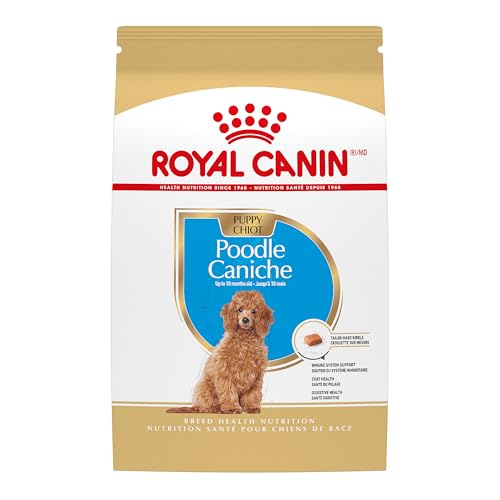
Brand: ROYAL CANIN. Features a formula designed for purebred Poodles aged 8 weeks to 10 months. Unique kibble helps Poodles easily pick up and chew. Includes an antioxidant complex (vitamin E) to support immune development.
Best for: Purebred Poodle puppies needing breed-specific nutrition with a chewing-friendly kibble. Why selected: tailored for Poodle physiology and growth stage, supporting immune development. Caution: may be more expensive than generic puppy formulas.
Purina Pro Plan High Protein Toy Breed Puppy Food

Brand: Purina Pro Plan. Features high protein to match the energy needs of active toy breeds, real chicken as the first ingredient, and guaranteed live probiotics for digestive and immune health.
Best for: Toy breed puppies with high activity who need robust protein and gut-friendly nutrition. Why selected: quality protein and probiotics support growth and digestion. Caution: higher protein may not suit all puppies; monitor energy and stool changes.
Hill’s Science Diet Puppy Small & Mini

Brand: Hill’s Science Diet. Provides growth-focused nutrition for small and mini breeds, with minerals supporting bones and teeth. DHA and fish oil support brain and eye development. Antioxidant blend aids developing immune health.
Best for: Puppies in small breeds seeking balanced growth and cognitive support. Why selected: evidence-based formulation for brain development and bone health. Caution: may be less protein-dense than some purpose-built high-protein options.
Blue Buffalo Life Protection Puppy
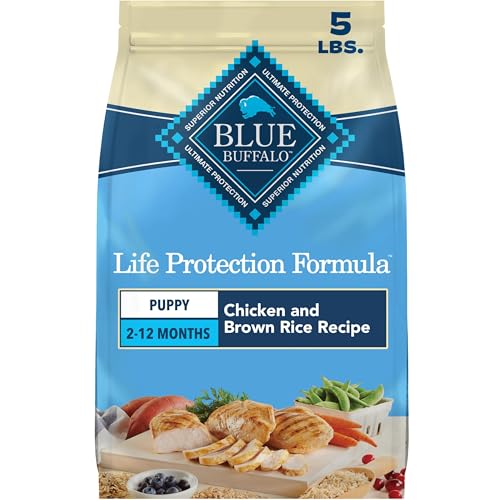
Brand: Blue Buffalo. Real chicken first, with LifeSource Bits for antioxidant support. Designed to provide balanced nutrition that supports growth, immunity, and energy for puppies from 2 to 12 months.
Best for: Puppies needing a complete, vet-developed nutrition with antioxidant support. Why selected: emphasizes natural ingredients and immune system support. Caution: may include more ingredients than ultra-simple formulas, which could affect palatability for some puppies.
Blue Buffalo Baby Blue Small Breed Puppy

Brand: Blue Buffalo. Real chicken first, specifically formulated for small breed puppies in growth. Includes DHA for cognitive development and immune-supporting LifeSource Bits.
Best for: Small breed puppies needing a nutrient-dense start with easy-to-digest ingredients. Why selected: targeted for tiny mouths and rapid growth in small-breed puppies. Caution: portion control is important to prevent overfeeding in very small dogs.
Buying Guide: How To Choose The Right Puppy Food For A Toy Poodle
- Breed specificity and life stage: For a toy poodle puppy, select formulas designed for small or toy breeds or purebred poodles. Look for labels indicating suitability for 8 weeks to 12 months.
- Protein level and energy needs: Active toy breeds benefit from higher protein options. If your puppy is less active, a balanced protein range is often better to prevent excess weight gain.
- Kibble size and texture: Small or micro kibble facilitates easy chewing and digestion for toy breeds with small jaws and developing teeth.
- Digestive health and immune support: Probiotics, prebiotics, and antioxidants help digestion and overall immune function during growth.
- Bone and dental development: Adequate minerals (calcium, phosphorus) support bone growth; DHA supports brain development; consider formulas with dental-friendly textures.
- Ingredient quality: Look for real meat as the first ingredient, limited fillers, and recognizable whole-food ingredients. Natural sources of omega-3 fatty acids can support skin and coat health.
- Allergies and sensitivities: If your puppy exhibits skin or GI sensitivities, choose formulas with limited ingredients or a vet-recommended sensitive option.
- Feeding guidelines: Follow bag or veterinarian-recommended feeding guidelines for portion sizes and adjust as the puppy grows or becomes more active.
Frequently Asked Questions
- What should I feed a toy poodle puppy? Choose a small-breed puppy formula that supports growth, with small kibble, balanced minerals, and omega-3 fatty acids for brain and coat health.
- Is high protein good for toy poodle puppies? High-protein options can support active puppies, but monitor weight and digestion to avoid overfeeding or GI upset.
- How much should a toy poodle puppy eat daily? Feeding guidelines vary by brand and weight. Use the product’s chart and adjust for activity level, consulting a vet if unsure.
- Should I switch brands frequently? Changes should be gradual over 7–10 days to prevent GI upset. Choose a formula suitable for your puppy’s needs and stick with it unless you need a change for health reasons.
- When can a toy poodle transition to adult food? Most toy poodles transition to adult food between 10 and 12 months, or as advised by a veterinarian based on growth and weight.
- Are there any risks with grain-free options? Some grain-free formulas may differ in long-term health outcomes. Check ingredient lists and consult a vet if there are concerns about grain content.
Leave a Reply