Best White Bitter Gourd Seed Choices for Gourmet Growing and Wellness Use
Looking to add white bitter gourd varieties to your urban garden or backyard plot? These white or pale-green bitter gourds offer distinct appearances and flavors, plus healthful benefits. This guide highlights five top white bitter gourd seed options that are well-suited for warm climates, trellis growing, and culinary experimentation. Each entry notes who it’s best for and why it stands out, along with a practical caution to help you plan your sowing strategy.
Overview of featured seeds:
- Pearl and white-bellied varieties ideal for vertical growing and striking harvests.
- Hybrid and heirloom options chosen for germination, flavor profile, and garden versatility.
- Best for home gardeners, urban growers, and small-farm enthusiasts seeking unique fruit appearances.
Product Comparison At A Glance
| Product | Best For | Why It Stands Out | Limitations |
|---|---|---|---|
| 15PCS Pearl Bitter Gourd Seeds – BULBORIUM | Warm-climate trellis gardeners | Distinctive ivory-white fruits, strong germination, non-GMO | Requires heat and long growing season |
| 15+ White Pearl Seeds – SPROUTARAQ | Small plots and vertical gardens | Heirloom look, pale fruit, great for vertical setups | Outdoor trellis needed for best results |
| TomorrowSeeds White Pearl Bitter Melon – 15+ | Culinary experimenters | Visually striking white fruit, antioxidant potential | Moderate to challenging germination in some conditions |
| Bitter Gourd Melon White Jyunpaku – Bmore Spicy | Collectors of rare varieties | Rare heirloom, white exterior with red interior | Limited availability and seed quantity options |
| 15PCS Green Skin Long Bitter Gourd Seeds – BULBORIUM | Experienced growers | Heat/humidity tolerant, versatile for many settings | Potentially harder for true beginners |
Pearl Bitter Gourd Seeds By BULBORIUM

The BULBORIUM White Pearl variety yields oblong fruits that start pale green and turn ivory-white as they mature. This seed set is best for gardeners who plan to train vines on trellises or fences in warm climates. It offers high germination and non-GMO seeds suitable for warm-season planting. Best for: gardeners who want a striking ornamental fruit that doubles as a culinary ingredient.
Caution: While hardy in warm conditions, this variety needs a long growing season and consistent sun to reach full color and size.
15+ White Pearl Bitter Gourd Seeds – SPROUTARAQ

SPROUTARAQ offers 15+ White Pearl seeds with smooth, pale fruit and a traditional taste. The heirloom appearance and ridged texture make it appealing for home gardens and specialty growers. It’s well-suited for outdoor trellises and vertical plots. Best for: gardeners seeking an heirloom look and unique texture in a compact space.
Limitation: Best results come with outdoor trellising; early-season warmth helps germination and fruit set.
TomorrowSeeds White Pearl Bitter Melon – 15+

TomorrowSeeds emphasizes the White Pearl Bitter Melon with a distinctive white color that enhances garden aesthetics. The seeds are described as rich in antioxidants, making this option attractive for culinary experiments and wellness-focused growers. It’s best for: cooks and home gardeners exploring visually striking produce plus health-oriented benefits.
Limitation: The variety may require careful germination management in cooler sprouts; provide warm soil and consistent moisture for success.
Bitter Gourd Melon White Jyunpaku – 10 Seed Pack

The White Jyunpaku (Pearl of Okinawa) is a rare Oriental heirloom variety with a white exterior and red seeds inside. Available in 10-, 40-, or 100-seed options, it suits small plots or larger growing efforts. Best for: enthusiasts collecting rare Asian bitter gourds and growers interested in premium heirloom fruit appearance.
Limitation: As an heirloom with unique traits, germination can vary; provide warmth and ample sunlight for best results.
15PCS Green Skin Long Bitter Gourd Seeds – BULBORIUM
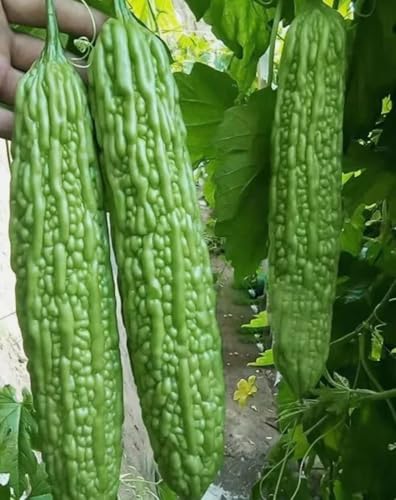
This Green Skin Long variety is highly tolerant of heat, humidity, and sunlight, making it versatile for various garden settings. It’s best for growers who want reliability in hot climates and are comfortable with a slightly more hands-on germination process. Best for: experienced gardeners seeking a durable bitter gourd with robust production.
Caution: The seeds can be stubborn to sprout and may require specific preparation steps to enhance germination.
Gourd Seeds – White Hybrid – Kitazawa

Kitazawa Seed Company offers White Gourd Seeds as a Non-GMO F1 Hybrid, with about 10 seeds per packet. It emphasizes high germination and suitability for Asian vegetable gardening. Best for: gardeners who want a reliable white gourd with predictable F1 performance for a diverse Asian vegetable repertoire.
Limitation: As an F1 hybrid, seeds saved from this lot may not breed true to type in subsequent seasons.
Edible Long Bottle Gourd Seeds – Dudi / Opo

Edible Long Bottle Gourd seeds offer a different family of gourds, including Asian varieties like Dudi or Calabash. These are suited for gardeners wanting long, slender gourds for cooking or traditional uses. Best for: growers exploring long-season gourds with versatile culinary applications.
Note: Bottle gourds require substantial space and consistent sun; ensure trellis support and sufficient water during hot months.
Buying Guide: White Bitter Gourd Seed Essentials
What should you consider when choosing white bitter gourd seeds?
- Growth environment: Most white varieties thrive in warm climates with full sun. Check your region’s last frost date and the length of the growing season.
- Seed type: Non-GMO, heirloom, and F1 hybrids have different advantages. Non-GMO and heirloom seeds offer flavor variety and seed-saving potential, while hybrids may offer vigor and uniform fruit.
- Support needs: Many white gourds vine and benefit from trellises or fences. Ensure you have suitable vertical space and sturdy supports.
- Germination and care: Some seeds require specific pre-soaking, soil temperature, or moisture conditions to germinate reliably. Follow the product’s planting instructions closely.
- Harvest and use: Consider whether you want pale fruits for culinary experiments, ornamental appeal, or health-focused uses. White fruit often has a mild, distinctive flavor and textural contrast.
Key Comparison Points
- Appearance: From ivory-white to pale-green fruits with distinct textures; some varieties have red or orange interiors when ripe.
- Seed quantity: Packs range from 10 to 40+ seeds, supporting different garden scales.
- Growth habit: Most are vining and suited for trellises; long gourds require space and consistent sun.
- Ease of cultivation: Some varieties are more beginner-friendly, while others are best for experienced growers due to germination nuances.
- Culinary use: All are edible but offer different flavor profiles, from mildly bitter to more pronounced bitterness, with some offering unique interiors.
FAQ
- Q: Are white bitter gourds harder to grow than green varieties? A: Some white varieties may have more specific germination or climate needs, but many perform similarly if you provide warm soil, sunlight, and trellis support.
- Q: Can I save seeds from these white gourds for next year? A: Non-GMO and heirloom seeds can typically be saved and replanted; hybrids (F1) may not breed true to type.
- Q: Do these seeds require trellising? A: Many white gourds are vining and do best with trellises or fences to manage height and fruit quality.
- Q: What’s a practical planting window? A: In warm climates, plant after the last frost when soil warms adequately; in cooler regions, start seeds indoors or use season extension methods.
- Q: Are there health benefits associated with white bitter gourds? A: Some varieties are noted for antioxidant properties, but consult credible sources for detailed information before incorporating into a wellness routine.
- Q: Which variety is best for small spaces? A: Vertical-growing varieties like the White Pearl and similar pale fruit types are well-suited for trellises and balcony gardens.
Leave a Reply