Best Non-Dairy Yogurts With Probiotics: A Practical Guide for Gut Health
If you’re seeking plant-based yogurts with live probiotic cultures, you’re looking for options that combine dairy-free ingredients with real gut-friendly benefits. This guide highlights five top choices, explains who each is best for, and offers practical buying tips. Whether you want a thick Greek-style cashew yogurt, a ready-to-drink kefir-style beverage, or a simple plain base for custom recipes, these picks cover a range of textures, flavors, and lifestyles.
Buyer types addressed: busy families needing grab-and-go probiotic drinks, home cooks seeking versatile yogurt bases, dairy-free eaters who want high-protein options, and vegan cooks who value clean ingredient lists. A concise comparison table for quick reference is provided after the introduction to help you choose at a glance.
| Product | Best For | Key Benefit |
|---|---|---|
| Forager Project Organic Yogurt Cashew Greek Protein Plain | Thick, protein-forward yogurt lovers | 13 g plant-based protein from cashews and brown rice |
| Cultures for Health Vegan Yogurt Starter Culture | Home yogurt makers | Direct-set culture for easy DIY plant-based yogurt |
| siggi’s Mixed Berry Plant Based Coconut Blend | On-the-go snack lovers | 10 g protein in a dairy-free, berry-flavored cup |
| Belle + Bella Yogurt Starter | Homemade vegan yogurt enthusiasts | Makes 4 quarts with 10 billion cultures |
| Forager Project Organic Plain Cashew Yogurt | Versatile base for recipes | Unsweetened, no added gums or oils |
Forager Project Organic Yogurt Cashew Greek Protein Plain

This product features a clean, plant-based protein profile. It uses real cashews and brown rice to deliver 13 g of protein, avoiding gums, oils, starches, or shortcuts. The base is an organic cashew and coconut blend with six live active cultures to provide probiotic benefits and a characteristic Greek-style tang. Best for: those who want a Greek-style, thick texture with higher protein in a dairy-free format. Caution: it may be too thick or tangy for individuals who prefer a milder, dairy-like yogurt flavor.
Cultures for Health Vegan Yogurt Starter Culture
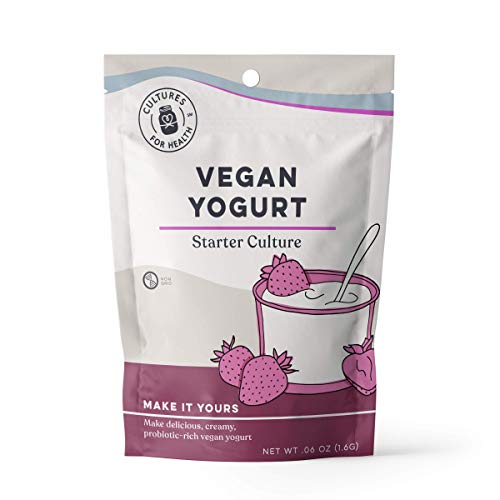
This is a DIY option designed for beginners or anyone who wants a low-maintenance process. The culture is direct-set, enabling a single culture step. It is cost-effective, potentially producing up to 4 gallons of vegan yogurt. Best for: DIY enthusiasts and households seeking flexibility across non-dairy milks. Limitation: results depend on your chosen milk and fermentation conditions, so some experimentation may be required.
Siggi’s Mixed Berry Plant Based Coconut Blend

This portable, plant-based snack combines a not-too-sweet coconut blend with a berry profile. It’s thick, creamy, and provides 10 g of protein per serving. Best for: a convenient dairy-free snack that still leans toward a dessert-like flavor. Caution: flavored varieties may contain added sugars, so check the label if you’re watching sugar intake.
Belle + Bella Non-Dairy Yogurt Starter

This starter kit makes four quarts of homemade yogurt and works with various milks, including dairy and plant-based options. It features 10 billion live cultures and lets you control ingredients to avoid added sugars, thickeners, colors, GMOs, and preservatives. Best for: vegan cooks who want customizable, clean yogurt at home. Limitation: requires time and equipment to culture yogurt, which may not suit ultra-fast meal plans.
Forager Project Organic Strawberry Cashew Kefir Style Drink

This portable probiotic kefir-style drink uses real strawberries and an organic cashew base, delivering a creamier mouthfeel than coconut-only options. It offers live active probiotic cultures similar to dairy kefir but in a dairy-free format. Best for: quick, on-the-go probiotic intake. Limitation: flavored kefir drinks may include added sugars or flavorings; verify ingredients if strict sugar control is necessary.
Forager Project Organic Plain Cashew Yogurt

This unsweetened, unflavored yogurt serves as a versatile base for a wide range of uses. It pairs well with granola, oats, smoothies, and savory recipes, making it ideal for kitchen creativity. It relies on two organic plant bases with five live probiotic cultures and contains no added sugar, gums, oils, or starches. Best for: cooks who want a dairy-free yogurt that adapts to savory or sweet dishes. Limitation: unflavored profile may require added toppings or mix-ins to reach preferred taste.
Siggi’s Yogurt Plant Based Vanilla

This vanilla dairy-free yogurt emphasizes simple ingredients with relatively low sugar and a higher protein-to-sugar ratio. It’s designed for fans of clean labeling and non-GMO verification. Best for: those who want a subtle vanilla flavor in a dairy-free format with extra protein. Caution: some vanilla versions may still contain added sugars; confirm the nutrition label if strict sugar limits apply.
COCOYO Living Coconut Yogurt

This coconut yogurt is fermented for a tangy, probiotic-rich bite with billions of living cultures. It uses two young Thai coconuts to reduce saturated fat and calories, offering a lighter coconut yogurt option. Best for: dairy-free eaters who prefer coconut-forward flavor with probiotic benefits. Limitation: coconut-based yogurts can be higher in saturated fat than some nut-based yogurts, so portion size matters for some diets.
Buying Guide: Key Considerations for Non-Dairy Probiotic Yogurts
- Probiotic profile: Look for explicit mentions of live cultures and the number of strains to gauge gut-health potential.
- Base ingredients: Cashew, almond, coconut, and soy are common; each offers different textures and flavors. Consider any nut or soy allergies.
- Texture and sweetness: Greek-style or thick yogurts provide spoonable textures; sweet flavors may add sugars. Choose unsweetened when possible for versatility.
- DIY vs. store-bought: Starter cultures enable homemade yogurt with control over ingredients, while ready-made products save time but limit customization.
- Flavor vs. versatility: Flavored products taste great but may contain more sugar; plain variants offer broader use in recipes.
- Allergen and additive awareness: Read labels for gums, oils, starches, and preservatives if you’re avoiding certain ingredients.
Frequently Asked Questions
- What is the best non-dairy yogurt for gut health? Look for yogurts with multiple live cultures and low added sugar. Probiotic content and a clean ingredient list are key.
- Can I substitute dairy yogurt with non-dairy yogurt in recipes? Yes, many non-dairy yogurts work as substitutes in smoothies, bowls, and baking, but texture differences may affect results.
- Are all plant-based yogurts high in protein? Not all are equal. Greek-style or protein-fortified options typically offer higher protein per serving.
- Is DIY vegan yogurt worth it? For those who value control over ingredients and cost savings, a starter culture is a practical route to consistent results.
- Should I avoid added sugars in non-dairy yogurts? If you want to maximize health benefits and control calories, choose unsweetened or lightly sweetened varieties and add your own toppings.
- Do these products require refrigeration? Most dairy-free yogurts and starters should be kept refrigerated to maintain probiotic viability.
Leave a Reply