Best 100% Whole Wheat Bread for Everyday Sandwiches
The best 100% whole wheat bread options provide genuine whole-grain nutrition with a soft, sandwich-ready texture. This guide highlights five top choices ideal for busy families, health-conscious shoppers, and anyone seeking a clean ingredient list. Each selected loaf emphasizes 100% whole wheat, minimal artificial additives, and versatile use for breakfast toast, school lunches, or quick dinners. Below is a quick summary of the chosen products and what makes each a strong pick.
| Product | Brand | Why It Stands Out |
|---|---|---|
| Nature’s Own 100% Whole Wheat Bread | Nature’s Own | New recipe, fewer ingredients, Non-GMO Project Verified |
| Sara Lee 100% Whole Wheat Sandwich Bread | Sara Lee | Balanced flavor and soft texture, versatile for all meals |
| Arnold Whole Grains 100% Whole Wheat Bread | Arnold | High whole-grain content, 8g protein per two slices |
| One Mighty Mill Whole Wheat Bread | One Mighty Mill | Organic, stone-ground, no preservatives |
| 365 by Whole Foods Organic Whole Wheat Bread | 365 by Whole Foods Market | Organic, no hydrogenated fats or high-fructose corn syrup |
Nature’s Own 100% Whole Wheat Bread

Best for: families seeking a familiar loaf with a clean ingredient list. This bread is certified Non-GMO Project Verified and contains no artificial colors, flavors, or preservatives. It offers a soft texture suitable for sandwiches and toast, with the benefit of a reduced-ingredient recipe trend.
Why selected: It directly targets shoppers wanting a mainstream 100% whole wheat option with fewer additives while maintaining a familiar flavor profile. The product’s Non-GMO verification provides reassurance for those prioritizing simple, natural ingredients.
Limitation: Some buyers may prefer fully organic labeling, which this option does not claim.
Sara Lee 100% Whole Wheat Sandwich Bread

Best for: households wanting a gentle flavor and a soft bite for kids’ lunches and quick toast. This bread emphasizes 100% whole wheat with a familiar, bakery-like texture.
Why selected: It balances flavor and nutrition, making it a reliable daily staple. The product description highlights suitability for various consumption occasions, from school lunches to snack-time.
Limitation: The listing emphasizes flavor and texture; it does not explicitly claim organic or Non-GMO verification, which may matter to some shoppers.
Arnold Whole Grains 100% Whole Wheat Bread
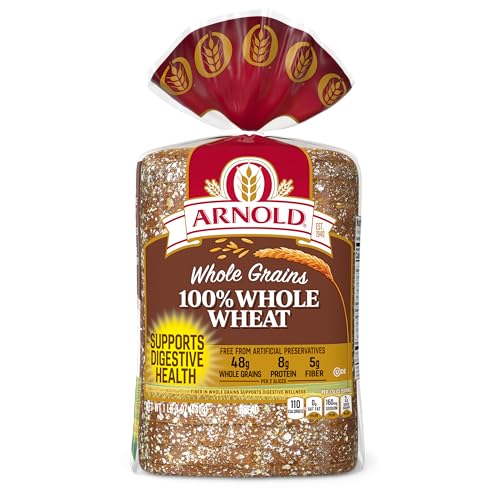
Best for: shoppers who want a higher whole grain content with strong protein and fiber per serving. This loaf emphasizes whole grain goodness and digestion support.
Why selected: It specifies 48g of whole grains per two slices and provides 8g protein and 5g fiber per two slices, aligning with nutrition-conscious goals. It is also free from artificial preservatives, colors, and flavors.
Limitation: The product data highlights nutrition metrics; some may prefer a lower-calorie count per slice depending on dietary goals.
One Mighty Mill Whole Wheat Bread

Best for: shoppers seeking organic, freshly milled whole wheat with minimal processing. This loaf is dairy-free and free from hydrogenated fats and high-fructose corn syrup.
Why selected: It emphasizes organic, non-GMO credentials, and stone-ground flour, offering a more traditional bread-making approach in a modern grocery setting.
Limitation: The description notes no preservatives or artificial ingredients, which may affect shelf life versus conventional options.
Nature’s Own 100% Whole Wheat Bread 20 Oz Loaf (2 Pack)

Best for: households wanting a value-packed, reliable whole wheat option that maintains softness and loaf integrity across multiple days.
Why selected: This option doubles the standard loaf, preserving the same no-artificial-preservatives claim and 100% wheat profile, ideal for frequent toast and sandwich use.
Limitation: For those who seek honey-flavored or enriched options, this plain loaf may feel less varied in taste.
Nature’s Own 100% Whole Grain Bread
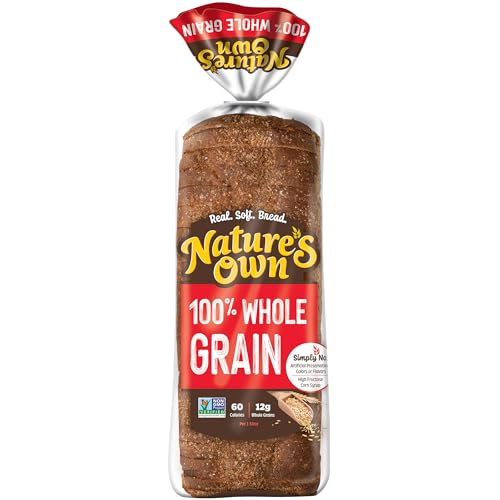
Best for: buyers who want a 100% whole grain option with a slightly different grain profile while staying within a familiar brand family.
Why selected: It mirrors the whole-wheat theme with a Non-GMO Project Verified status and a clear emphasis on minimal artificial additives.
Limitation: The product name specifies “Whole Grain” rather than strictly “Whole Wheat,” which may slightly broaden the grain mix for some consumers.
365 by Whole Foods Market Organic Whole Wheat Bread

Best for: shoppers who prioritize organic certification and clean-sounding ingredient lists, with no hydrogenated fats or high-fructose corn syrup.
Why selected: The 20 oz loaf aligns with standard household needs while focusing on organic sourcing and a simplified ingredient profile.
Limitation: Availability and labeling nuances can vary by region, affecting replacement options in some stores.
Buying Guide: Key Purchase Considerations
- Ingredient purity: Look for 100% whole wheat or whole grain labels with minimal artificial additives, colors, or flavors. Check Non-GMO and Organic certifications when important to you.
- Nutritional balance: Compare protein, fiber, and whole grain content per two slices to match dietary goals. Whole grains typically offer more fiber and micronutrients.
- Texture and taste: If you prefer soft slices for sandwiches or toast, consider brands emphasizing light textures. For heartier slices, check loaf density and slice thickness options.
- Sugar and additives: Some breads include added sugars or preservatives. If avoiding additives, review the features or ingredient lists for each loaf carefully.
- Packaging and shelf life: Loaves come in various packaging formats. If you need long shelf life or frozen storage, verify packaging claims and storage guidance.
- Dietary alignment: Organic, Non-GMO, and kosher options are available. Choose based on personal or family dietary preferences.
Frequently Asked Questions
- What does 100% Whole Wheat mean? It indicates all the flour used is whole wheat, without refined white flour.
- Is organic bread always better? Organic can reduce pesticide exposure and align with certain values, but it may not always mean higher nutrition.
- How many slices are typical in a loaf? Most standard loaves range from about 12 to 20 slices, depending on thickness and packaging.
- Does whole wheat bread have more fiber than white bread? Yes, whole wheat bread generally contains more dietary fiber per slice.
- Can all 100% whole wheat breads be used interchangeably for sandwiches? Most can, but texture and density may affect sandwich build and bite.
- Are there downsides to preservative-free bread? Freshness may be shorter; refrigeration or freezing can help extend shelf life.
Leave a Reply