Best Shelled Corn for Deer: Top Deer Corn Picks for 2026
Answering the question: which shelled corn products are best for deer feeding in American yards and fields? This guide highlights five practical options, suited for backyard wildlife feeders, farm plots, and seasonal deer nutrition. Each choice targets a specific buyer, from budget-conscious feeders to enthusiasts aiming to support antler development or year-round forage. A quick summary table follows to help compare essentials at a glance.
| Product | Best For | Notes |
|---|---|---|
| Manna Pro Top Score Deer Corn | Seasonal feeders and general deer nutrition | Premium whole-shelled corn for deer and turkeys |
| Big Tine Fortified Deer Blend | Antler growth season and mineral support | Textured mix with minerals and cherry aroma |
| Ernst Grain & Livestock Whole Corn | Bulk, straightforward corn feed | 46 lb bag from a family farm |
| Single A Corn Premium | Quality, versatile wildlife feed | Small-farm Georgia corn, natural packaging |
| Wildlife Elements Critter Corn | Year-round diverse wildlife attractant | 44 lb bag, USA sourced |
Manna Pro Top Score Deer Corn, 40lb

Best for: general deer nutrition and simple feeding setups. This product is a premium whole-shelled corn blend designed to provide a solid energy source for deer and turkeys. It suits feeders at farms or rural properties where straightforward corn is preferred. The main advantage is its clean, whole kernels that deer can easily consume during all seasons.
Why chosen: It emphasizes pure corn nutrition without additives that could complicate feeding plans. This option is reliable for buyers seeking a straightforward corn supply to supplement natural forage.
Caution: Availability and bag size vary by season; verify current packaging when ordering. Ensure feeding areas are kept clean to prevent mold or pest issues.
Big Tine Fortified Deer Blend

Best for: antler development seasons and deer conditioning. This textured mix blends shell corn, cracked corn, milo, and sunflower seeds with a Nitro mineral formula to support key nutrients during periods of growth and seasonal stress. It is designed to attract deer with a strong aroma while delivering balanced nutrition.
Why chosen: The mineral-enriched formula targets critical needs during antler growth and fawning, offering a more complete feeding option than plain corn. The blend encourages consistent visits to feeding areas.
Caution: The scent is potent; excessive use may attract other wildlife or cause overconsumption in small plots. Monitor feeding to avoid waste.
Ernst Grain & Livestock Whole Corn

Best for: bulk, straightforward deer feed from a trusted farm source. Sourced from a multi-generational farming operation, this clean shelled corn is sold in a bulk-friendly 46-pound bag, ideal for larger feeders or ongoing supply for deer zones.
Why chosen: It provides a dependable, field-tested corn option with simple ingredients—great for buyers who want a no-frills feed that supports consistent energy intake for deer across seasons.
Caution: It is a plain corn product; if you want fortified minerals or flavor additives, this option requires supplementation elsewhere. Store in a dry, ventilated area to prevent spoilage.
Single A Corn Premium Dried Shelled Corn

Best for: quality-conscious feeders who want a versatile feed suitable for multiple wildlife types. This premium dried shelled corn is sourced from a Georgia farm and marketed as a straight-from-field option with a focus on sustainability and flavor.
Why chosen: It emphasizes quality and sustainability, appealing to buyers who value origin and a natural feed path. It is flexible for both deer and other wildlife such as birds and small mammals.
Caution: Being a plain corn product, it may require additional minerals or protein sources for year-round deer nutrition depending on forage availability.
Wildlife Elements Critter Corn
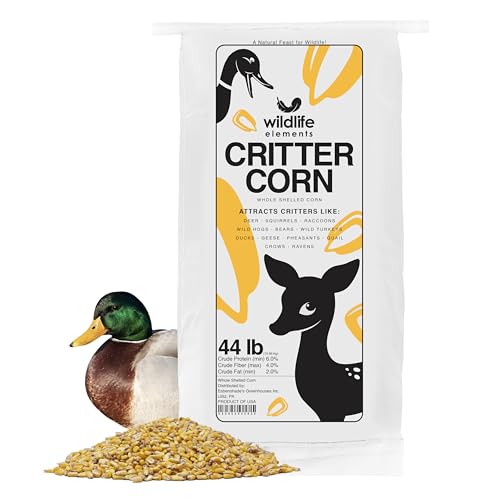
Best for: year-round feeding to attract a wide range of wildlife, including deer, squirrels, turkeys, ducks, and more. The 44-pound bag is marketed as USA-sourced and all-natural, offering high-energy corn that helps wildlife stay active even in colder months.
Why chosen: This option stands out for broad appeal to multiple species and a natural ingredient profile that many feeders prefer for sustainable, long-term use.
Caution: As a larger bulk bag, ensure it is stored properly to prevent moisture exposure and pest intrusion in warm climates.
Buying Guide
What should I consider before buying shelled corn for deer?
Think about bag size, feeding area, and wildlife goals. Larger bags save money for big properties but require more storage. For controlled feeding, choose a product with simple corn and minimal additives. If antler development or seasonal stress is a concern, fortified blends may be advantageous.
Plain corn vs fortified blends: which is better?
Plain corn provides energy through simple carbohydrates. Fortified blends add minerals, vitamins, or attractants to support specific needs like antler growth or seasonal conditioning. Choose based on your deer herd’s current needs and your ability to supplement with minerals and water.
How does feed quality and sourcing affect deer nutrition?
Quality corn is clean, dry, and free from mold. Sourcing from reputable farms or brands reduces the risk of contaminated or spoiled kernels. USA-sourced products may align with local farming practices and support regional agriculture.
What feeding setup works best?
Use appropriate feeders or ground-feeding sites that minimize waste and access by non-target wildlife. Clean feeding areas regularly to prevent spoilage and disease. Rotate feeding sites to avoid overgrazing in a single spot.
How can I store shelled corn to maintain freshness?
Store in a cool, dry, well-ventilated area in airtight containers or sealed bags with moisture control. Keep away from direct sunlight and inspect for pests periodically. Use within a reasonable timeframe to maintain kernel integrity and energy value.
What are common limitations to watch for?
Bulk bags require storage space and may accelerate spoilage if exposed to humidity. Some products rely on aroma or additives that attract other wildlife. Plain corn may lack minerals for peak deer health without additional supplements.
FAQ
- Is shelled corn safe for deer year-round? Yes, as a supplement to natural forage, but moderation and variety are recommended to avoid digestive upsets.
- Should I mix corn with other seeds or grains? Mixing can attract different wildlife and improve palatability; consider blends like cracked corn or mixed grains if preferred.
- Which bag size is best for a small property? A smaller bag (10–20 lb) is easier to manage, while larger bags suit bigger properties with frequent feeding.
- Can scented blends attract more deer? Scented or flavored blends can attract deer more quickly but may also draw other animals; monitor feeding patterns.
- What storage conditions prevent spoilage? Keep corn dry, cool, and in airtight containers; avoid exposure to moisture and pests.
- Are there safety concerns with feeding wildlife? Use food responsibly, avoid moldy kernels, and keep feeders clean to prevent disease transmission.
Leave a Reply