Best Iron Fortified Formula Milk Options for Growing Babies and Toddlers
Answering the question “which iron fortified formula milk should I choose?” this guide highlights five solid options suited for U.S. families seeking iron-rich formulas or fortified milk alternatives. It covers toddler drinks and infant formulas, helping caregivers pick products for different ages and digestion needs. The top picks are grouped by who they’re best for, with practical notes on each product’s benefits and a key buying guide to compare iron content, protein type, and digestion-friendly ingredients.
| Product | Age Range | Why It Stands Out | Best For |
|---|---|---|---|
| Holle Cow Milk Toddler Drink Stage 3 | 12 months+ | German quality, convenient 14.1 oz tin, easy to prepare | Toddlers needing a ready-for-table-nutrition bridge |
| Similac Advance Infant Formula With Iron | 0–12 months | Inspired by breast milk, DHA and lutein for brain/eye support | Infants requiring iron-fortified daily formula |
| Kabrita Goat Milk-Based Infant Formula (28 oz) | 0–12 months | Gentle digestion with goat milk A2 protein, non-GMO | Infants with sensitive digestion or cow’s milk concerns |
| Nestle Nido Fortificada Whole Milk Powder | All ages (family use) | Five essential vitamins/minerals per cup, easy to mix | Families needing a versatile fortified milk powder |
| Enfamil Infant Formula With Iron | 0–12 months | DHA & choline for brain development, immune support | Infants needing iron-fortified nutrition with cognitive support |
Note: The table highlights general suitability. Always consult a pediatrician before changing a baby’s diet, especially for infants with dietary restrictions or known allergies.
Holle Stage 3 Toddler Drink

Holle Stage 3 is designed for children 12 months and up. This iron-fortified formula supports ongoing growth with a toddler-friendly serving size of powder in a 14.1 oz tin. Best for parents seeking a German-quality option with straightforward preparation. One possible limitation is the lack of explicit DHA/Lutein details in the feature list, so verify label nutrition if you need specific brain/eye support nutrients.
Similac Advance With Iron

Similac Advance With Iron is formulated to be easy to digest while providing iron, DHA, and lutein. It emphasizes a breast-milk-inspired nutrition profile and offers rewards points through a MySimilac QR code on select products. This makes it a practical option for families who value convenient user perks. Best for infants who benefit from iron fortification and a familiar taste profile; consider this if you want added brain and eye nutrients as part of a daily routine. A potential limitation is reliance on breast-milk–inspired ingredients, which may differ in composition from other brands.
Kabrita Goat Milk-Based Infant Formula
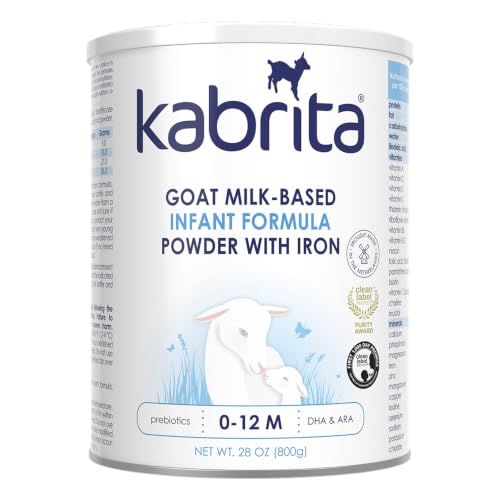
Kabrita Goat Milk-Based Infant Formula uses goat milk with iron and added DHA/ARA plus prebiotics. Goat milk proteins can form softer curds, which some infants digest more easily than traditional cow’s milk formulas. This option is best for infants with sensitive digestion or those seeking an alternative to cow’s milk while staying within non-GMO and clean-label standards. A limitation to note is that goat-milk formulas may not be suitable for every infant, particularly those with specific dairy allergies or certain medical conditions; confirm with a pediatrician before switching.
Nestle Nido Fortificada Whole Milk Powder

Nestle Nido Fortificada is a family-friendly powder that delivers five essential vitamins and minerals per cup when prepared as a beverage. It’s easy to mix and versatile for households needing a fortified milk option for both kids and adults. Best for families seeking a common, all-purpose fortified milk powder, while the caveat is that it is a whole milk product and may not suit dairy-restricted or iron-sensitive infants; ensure iron needs are met through other dietary sources if applicable.
Enfamil Infant Formula With Iron

Enfamil Infant Formula includes iron, DHA, and choline to support brain development and nutrition for babies up to 12 months. The formula features a dual-prebiotic blend to support immune function, making it a practical choice for families prioritizing cognitive nutrients and gut health. A potential limitation is that some infants respond differently to the DHA/choline balance; monitor your baby’s digestion and consult a clinician if concerns arise.
Buying Guide: Key Purchase Considerations
What age group should you target?
Infant formulas with iron are designed for babies up to 12 months, while toddler formulas or fortified milks serve older children. Match the product to the child’s age and growth stage for appropriate iron intake and nutrition balance.
Iron fortification and nutrient profile
Check the amount of iron per serving and confirm other nutrients like DHA, choline, lutein, and prebiotics. These can support brain development, eye health, and digestion. Some goat-milk formulas offer gentler digestion, but they may require pediatric guidance for suitability.
Digestive compatibility
Goat milk-based formulas often produce softer curds and can ease digestion for some infants. Cow-milk formulas are more common and widely available, but digestion varies by child. Consider alternatives if there are known sensitivities or a preference for A2 protein.
Allergies, sensitivities, and dietary preferences
Avoid corn syrup and GMOs where possible. Look for clean-label certifications if those factors matter. Non-GMO and allergen considerations should be discussed with a healthcare professional.
Practical considerations
Family needs include serving size, ease of preparation, and availability. Powder forms are typically cost-effective and have long shelf lives, while ready-to-use versions offer convenience for travel or feeding on the go.
FAQ
- What is the difference between goat-milk and cow-milk formula?
- Is iron fortification essential for all babies?
- Can I switch formulas if my baby seems fussy?
- Which formula best supports brain development?
- Are fortified milks suitable for toddlers?
- Do these products require special storage?
Goat-milk formulas often digest differently due to naturally gentler A2 proteins and softer curds, which can be easier on some infants’ stomachs. However, not all babies tolerate goat milk, and iron fortification varies by brand. Consult a pediatrician before switching.
Iron is important for development, especially for infants after 6 months when iron stores begin to wane. If a formula includes iron, it supports healthy growth; discuss your baby’s iron needs with a clinician to determine the right approach.
Formula changes should be done under medical guidance. Some babies react to different protein sources or carbohydrate types. If fussiness or digestive issues occur, consult a pediatrician before trying a new product.
Formulas with DHA and choline are commonly associated with supporting brain development. Look for these nutrients in the product’s ingredient list and consult your child’s doctor for personalized guidance.
Fortified milks or toddler drinks can help fill nutritional gaps. For toddlers, a product like Holle Stage 3 or a similar fortified option can bridge nutrition as they transition to regular foods, but always follow age-appropriate serving recommendations.
Powdered formulas typically require dry, cool storage and proper resealing after use. Follow the label instructions for shelf life and preparation to preserve nutrient integrity.
Leave a Reply