Best Grower Feed for Pigs: Top Picks for Growing Pigs and Mini Pigs
Finding the right grower feed for pigs starts with matching nutrition to your animals’ age, size, and growth goals. This guide highlights five practical options designed for growing and finishing pigs, including mini and potbelly varieties. Each product is evaluated for palatability, protein balance, and ease of use. The top picks are best for hobby farmers, homesteaders, and growers who want reliable growth without complexity. The summary table below helps you compare key points at a glance.
| Product | Best For | Protein | Form | |
|---|---|---|---|---|
| Nutrena Country Feeds Grower Finisher Pig Food | Growing and finishing pigs | 16% | Complete feed | Balanced for muscle development |
| Wholesome Harvest Non-GMO Potbelly & Mini Pig Grower Feed | Mini and potbelly pigs under 1 year | Not specified on listing | Whole grain based | Probiotics and prebiotics included |
| Nutrena Country Feeds Starter/Grower Pig Feed 19% Pellet | Young pigs starting growth | 19% | Pellet | Lysine boosted for early muscle expansion |
| Nutrena Country Feeds Mini Pig Feed 16% Pellet | Mini pigs at various life stages | 16% | Pellet | Palatable for small breeds |
| SCRATCH AND PECK FEEDS Grower Pig Feed Whole Grain Mash | Swine grower with grain-based diet | 16% | Whole grain mash | Soy-free option |
Below are concise product profiles to help you decide quickly. Each entry explains who the feed is best for, why it’s a good pick, and a practical caveat to consider.
Nutrena Country Feeds Grower Finisher Pig Food
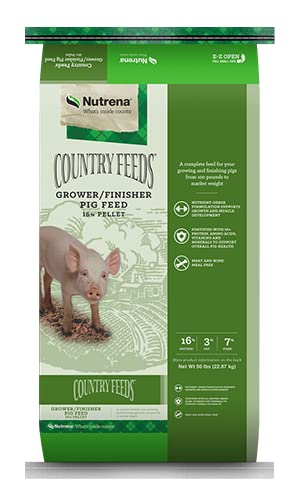
Best for: Pigs that are in the growth-to-finish stage and need steady muscle development. This complete feed is formulated to support weight gain with a 16% protein level and a nutrient-dense mix of amino acids, vitamins, and minerals. Its balanced profile helps reduce feed variability across batches, making it reliable for consistent growth.
Why selected: The 16% protein aligns well with mid- to late-growth needs, and the fortified vitamins and minerals support overall health during finishing. It is suitable for farmers who want a straightforward, all-in-one feed without adding supplements.
Caution: As with all complete feeds, monitor intake to avoid overfeeding in pigs with low activity or larger adult sizes. Pair with clean water and a consistent feeding schedule.
Wholesome Harvest Non-GMO Potbelly & Mini Pig Grower Feed 10 lbs
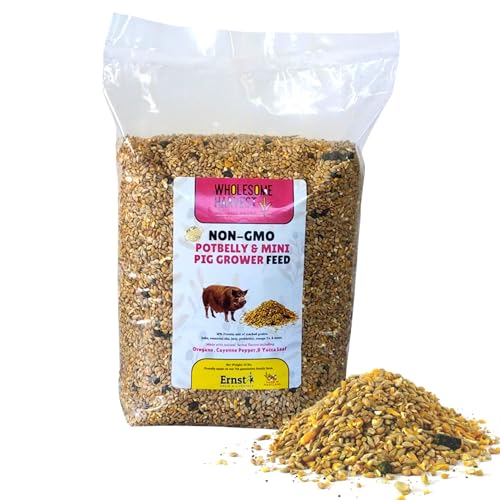
Best for: Mini and potbelly pigs under one year old that benefit from a whole grain basis and a probiotic boost. The blend emphasizes gut health and digestion, which supports steady growth in smaller breeds.
Why selected: The non-GMO, whole grain formulation with live probiotics and prebiotics can support a calm digestive system in growing pigs, especially when transitioning from foods used for other pets or on specialty diets.
Caution: The listing does not specify exact protein content, so you should verify if your pigs require a higher protein level during peak growth phases.
Nutrena Country Feeds Starter/Grower Pig Feed 19% Pellet

Best for: Young pigs beginning growth and those who need a higher protein start to muscle development. The 19% protein pellet helps support rapid weight gain and efficient feed conversion in early stages.
Why selected: The lysine addition supports muscle development, and the whey-based energy source focuses on palatability and digestibility. This makes it a strong choice for ambitious early growth goals.
Caution: Start Right designed formulas can be more energy-dense; introduce gradually to avoid digestive upsets in highly sensitive pigs.
Nutrena Country Feeds Mini Pig Feed 16% Pellet

Best for: Mini pigs requiring a balanced, palatable diet that can work with hay or pasture as part of a varied diet. A 16% protein pellet supports general growth without excessive fat gain in smaller breeds.
Why selected: Pelleted form offers consistent intake and reduces feed waste. It is especially useful for mini pigs that may be picky eaters or have smaller mouths.
Limitation: For some breeders, a fixed 16% protein may not be optimal during peak growth; monitor body condition and adjust with guided supplementation if needed.
Scratch and Peck Feeds Grower Pig Feed Whole Grain Mash

Best for: Pigs that benefit from a soy-free, grain-forward diet. The 16% protein level supports growth while avoiding certain common allergens often linked with soy-based feeds.
Why selected: The soy-free approach and whole grain composition align with organic or natural feeding strategies. It also appeals to growers seeking cleaner ingredient profiles.
Caution: Availability and protein consistency can vary between batches; verify meal-by-meal if you rely on exact protein targets for a growth plan.
Wholesome Harvest All-Grain Non-GMO Potbelly & Mini Pig Feed

Best for: Mature potbelly and mini pigs needing a balanced, all-grain diet with vitamins, minerals, and omega-3s. This feed emphasizes a complete nutrition profile for steady growth and vitality.
Why selected: Non-GMO grains plus added probiotics and kelp provide a nutrient-dense option that supports gut health and overall well-being during growth phases.
Caution: This product is oriented toward mature mini and potbelly pigs; for larger breeds or standard pork breeds, check protein content and adjust accordingly.
Buying Guide
What should I consider when choosing grower pig feed?
- Age and breed: Mini or potbelly pigs have different growth needs than standard pork breeds. Choose a formula labeled for your pig type or adjust protein levels accordingly.
- Protein and energy balance: Higher protein (around 16–19%) supports growth in young pigs; lower protein may suit finishing stages or older animals. Ensure energy aligns with activity level and environment.
- Palatability and texture: Pellets and crumbles reduce waste and promote consistent intake. Whole grain or soy-free options may suit pigs with sensitivities or organic requirements.
- Digestive health: Probiotics, prebiotics, and whey-based energy sources can improve gut health and feed efficiency, especially during transitions.
- Ingredients transparency: Look for clear labeling of protein sources, vitamins, minerals, and any potential allergens or GMOs.
- Feeding strategy: Consider whether you will feed as a sole diet or supplement with hay, pasture, or kitchen scraps. Some feeds are designed as complete diets, others as supplements.
Comparison considerations: which feed to choose for your situation?
- Best for steady growth without supplement use: Nutrena Grower Finisher Pig Food offers a balanced 16% protein in a complete feed suitable for finishing pigs.
- Better for small-breed or pet pigs needing probiotic gut support: Wholesome Harvest Non-GMO Potbelly & Mini Pig Grower Feed prioritizes whole grains and live probiotics.
- Choose this if you want a higher start protein: Nutrena Starter/Grower 19% Pellet supports early muscle development in young pigs.
- Best for mini pigs needing a reliable, palatable option: Nutrena Mini Pig 16% Pellet provides a manageable texture and nutrition for small breeds.
- Avoid if soy or grain allergies are a concern: If your pigs are sensitive to soy or prefer non-grain bases, consider soy-free options like some Scratch and Peck formulations.
FAQ
- Q: What defines a good grower pig feed?
A: A good grower pig feed provides age-appropriate protein, energy, vitamins, and minerals, supports muscle growth, and aligns with your pig’s size and activity level. - Q: Is higher protein always better for growing pigs?
A: Not always. Protein should match growth stage; excessive protein can lead to excessive fat gain and waste, so balance with energy and overall diet. - Q: Can I mix feeds from different brands?
A: Mixing can be done carefully, but avoid sudden shifts. Transition gradually over 1–2 weeks to minimize digestive upset. - Q: Do all grower feeds include probiotics?
A: No. Some feeds emphasize probiotics and prebiotics, while others focus on traditional blends. Check label details for gut-health ingredients. - Q: How much should pigs eat per day?
A: Feeding depends on life stage, weight, and environment. Follow product guidelines and monitor body condition, adjusting as needed. - Q: Are non-GMO feeds better for pigs?
A: Non-GMO options appeal to certain producers and may align with organic or natural farming goals. Nutritional adequacy remains the primary factor.
Leave a Reply