Best Foam Box for Frozen Food: Top Insulated Shipping Options
Looking for the best foam box for frozen food? This guide highlights five top insulated shipping boxes designed to keep perishables cold during transit. Each option suits different buyers, from home bakers and meal prep enthusiasts to small food businesses and delis. The top picks emphasize multi-layer insulation, ease of use, and reliable temperature control. Whether you need simple cold shipping, dry ice compatibility, or reusable foam boxes, you’ll find clear reasons to choose each product.
| Product | Best For | Why It Stands Out |
|---|---|---|
| HAOPENGYOU 2 Pack Thermal Insulated Boxes | Meal deliveries, groceries | All-in-one kit with liners; versatile 12″ x 5.5″ x 7.5″ interior; strong multi-layer insulation |
| UNIFAMILY 4pack Small Insulated Boxes | Small batches, hobbyists | Four boxes with liners; easy, no-assembly setup; compact footprint |
| Polar Tech 227C Thermo Chill Carton | Medium shipments, perishable goods | Durable, recyclable construction; strong insulation |
| CH-BOX 7x6x10” Small Insulated Boxes | Perishables, breast milk, meats | Solid insulation with aluminum liners; clear inner/outer dimensions |
2 Pack Thermal Insulated Boxes With Aluminum Foil Liner

Best for balanced, mid-size shipments requiring reliable temperature control. This set includes two insulated boxes plus liner bags, making it a ready-to-use cold shipping kit. Ideal for meals, groceries, seafood, or cosmetics that need consistent temperatures in transit. The interior measures 12″ x 5.5″ x 7.5″, offering flexible space without becoming bulky.
Why choose this: layered insulation combines kraft exterior, high-density foam, and a heat-reflective aluminum foil interior to slow external temperature changes. It’s best for buyers who want a complete kit with packaging supplies ready to deploy and prefer a box with proven cold retention capabilities. A potential limitation is that size may be less suitable for very large items.
UNIFAMILY 4pack Small Insulated Shipping Boxes

Best for small-batch deliveries and beginners who value ease of use. This set features four small insulated boxes with matching liner bags, designed for quick setup with no extra tools. The dimensions roughly 8″ x 4″ x 6″ fit compact shipments like single servings, desserts, or cosmetics in cold transport.
Why choose this: the three-layer construction — outer carton, insulation liner, and aluminum foil liner — helps retain cold temperatures effectively. It’s a good match for personal shipments or micro-business orders. Caution: limited interior space means it’s not suited for larger items or bulk shipments.
Polar Tech 227C Thermo Chill Insulated Carton
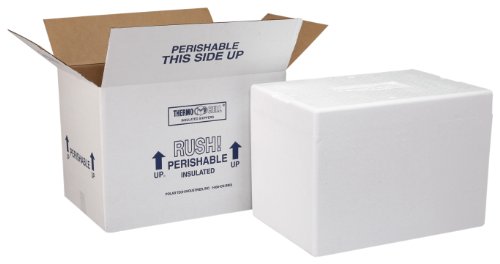
Best for medium-size, temperature-sensitive shipments. The Polar Tech 227C Thermo Chill Carton emphasizes superior insulation with a focus on durability and recyclability. The product is designed for steady cold retention during transit, supporting a reliable cold chain for perishable items like seafood or meat.
Why choose this: its robust insulation approach and recyclable materials appeal to buyers seeking long-term use and environmental considerations. Limitation: the product page notes only general features; verify exact inner dimensions to ensure fit for your items.
CH-BOX 7x6x10” Small Insulated Boxes

Best for perishable foods requiring clear dimensions and strong insulation. The CH-BOX set provides small insulated boxes with liners, designed for frozen foods, breast milk, or fast-moving perishable items. Inner size approximately 6.5″ x 5.5″ x 9″, outer size around 7.1″ x 6.18″ x 10″ after sealing.
Why choose this: the combination of a temperature-retaining liner and a respectable inner capacity helps ensure product safety during transport. Caution: ensure your contents fit within the specified inner dimensions to avoid squeeze and temperature leakage.
Buying Guide
What to consider when choosing foam boxes for frozen food
- Temperature control performance: Look for multi-layer insulation (foam core, foil liner, outer carton) to slow heat gain or loss during transit.
- Box size and capacity: Match interior dimensions to your typical product size. If you ship small batches, compact boxes can reduce waste and weight.
- Ease of use: Ready-to-use kits with liners or no-assembly designs save time and reduce setup errors for frequent shippers.
- Durability and materials: Recyclable or sturdy outer materials support longer use and environmental considerations without compromising insulation.
- Shipping compatibility: If you plan to include dry ice or cold packs, confirm compatibility with liner materials and box interior for safe handling.
- Cost per shipment: Consider how many shipments a box supports before replacement, and whether a larger kit reduces overall packaging costs.
Frequently Asked Questions
- What is the main benefit of foam boxes for frozen food?
- Can I use these boxes without external cold packs?
- Are these boxes reusable?
- How do I choose the right size?
- Is aluminum foil liner necessary?
- Do these boxes comply with food safety standards?
They provide lightweight, effective insulation to slow temperature changes during transit, helping maintain product quality.
Yes, many are designed with aluminum foil liners or foam cores that offer baseline insulation, but cold packs or dry ice can extend cold retention for longer trips.
Some models are designed for reuse with careful handling, while others are intended for single-use or limited reuse depending on construction and liner condition.
Assess your typical product dimensions and required transit time. Choose a box that fits without excessive air space to minimize heat exchange.
Aluminum foil liners reflect heat and can slow thermal transfer, improving temperature stability during shipment.
These boxes are designed for shipping food-related items; always follow local regulations and packaging guidelines for perishable goods.
Leave a Reply