Best Professional Gel Food Coloring for Vibrant Desserts and Bakes
These gel food colorings are ideal for bakers and decorators seeking vivid, fade-resistant color without altering texture or taste. This guide highlights five top options, suitable for hobbyists and professionals alike, with quick notes on who benefits most from each product. Use this overview to compare color strength, blending ease, and usage versatility across icings, fondant, buttercream, and batter.
Product Snapshot
| Product | Best For | Notes |
|---|---|---|
| Chefmaster Liqua-Gel 12 Pack Fade Resistant | Professional bakers seeking true-to-shade color | Fade-resistant, easy-to-blend formula |
| AmeriColor Student Kit 12 x .75 oz | Students and hobbyists needing strong, reliable color | Excellent color strength; good for delicate icings |
| Ann Clark Professional-Grade Gel | Home bakers needing high concentration | Vibrant, easy to control; allergen-friendly |
| Jelife Gel Color 10 Colors | Budget-friendly decorating sets | Multi-use, vivid, lasts well |
| Cherrysea 12 Color Food Coloring Set | Variety pack for all-around projects | Diverse palette, no taste impact |
Chefmaster Liqua-Gel 12 Pack Fade Resistant

Best for culinary professionals and serious decorators who demand reliable true-to-shade color. The liqua-gel formula blends easily without changing texture or taste, making it ideal for delicate frostings and fondant. The fade-resistant feature helps desserts maintain brightness longer for display and events.
Why chosen: Professional-grade color, easy-squeeze bottles, and a broad color range. Best for repeatable results in large-batch projects.
Caution: Some hues can be very concentrated—start with a small drop and build slowly to avoid oversaturation.
AmeriColor Student Kit 12 .75 Oz

Best for students, hobbyists, or casual decorators who need strong, dependable color with minimal separation or weeping. Gel paste colors are stable in tender icings and can be layered for complex shades without altering texture.
Why chosen: Superior coloring strength; resists separation and works well in frozen goods and delicate whipped toppings.
Caution: For extremely delicate recipes, test shade development on a small batch first to ensure desired tint.
Ann Clark Professional-Grade Gel Food Coloring

Best for home bakers who want bright, easily controlled color with precise drop-by-drop mixing. The high-concentration gel colors provide bold results in icing, buttercream, and batter without thinning or altering consistency.
Why chosen: Allergen-friendly profile (no peanuts, tree nuts, gluten, eggs, dairy, soy, or shellfish); non-GMO and vegan options add versatility for dietary needs.
Caution: A little goes a long way—over-coloring can overwhelm delicate frostings. Add drops gradually to reach the desired shade.
Jelife Gel Color 10 Colors Set
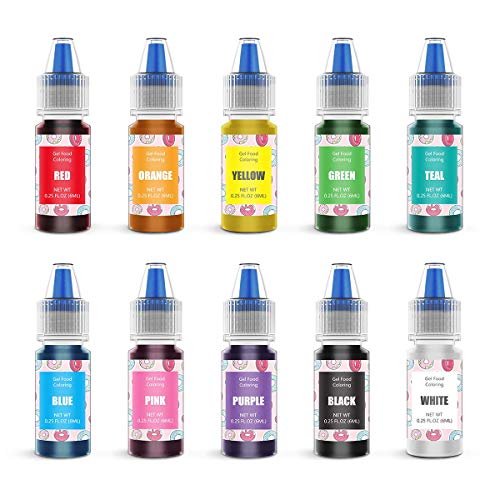
Best for DIY bakers and kids’ projects where a vibrant palette is helpful. This set delivers lasting, highly concentrated colors that don’t bleed and can be used across icing, fondant, and decorations without changing texture.
Why chosen: Comprehensive 10-color range in a compact kit; good for consistent shading across multiple projects.
Caution: Some colors may require mixing for very pale shades; avoid relying on a single hue for complex tones.
Cherrysea 12 Color Food Coloring Set
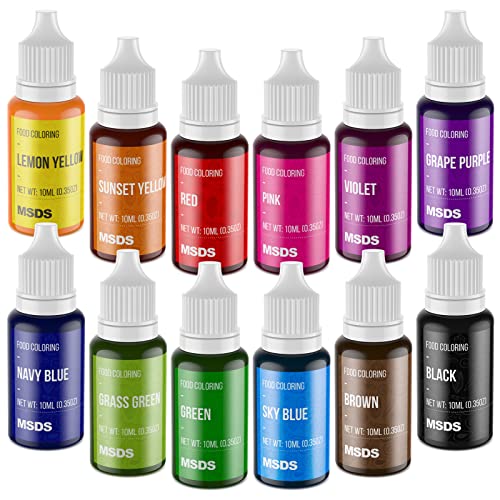
Best for versatile projects requiring a broad palette with no flavor impact. The set is designed to be used across cake decorating, fondant, frosting, and even crafts, without altering the recipe’s taste or texture.
Why chosen: Wide color variety and consumer-friendly drop-per-dose design; suitable for both beginners and experienced decorators.
Caution: While the set covers many shades, you may need to mix colors to achieve precise hues for specific themes or branding.
Buying Guide: Gel Food Coloring Essentials
What makes gel colorings different?
Gel-based colors offer strong pigmentation with minimal impact on texture and consistency. They’re less likely to alter the moisture content of frosting or batter compared to liquids.
How to choose by use case
- Professional baking and decoration: Look for fade-resistant, true-to-shade colors with easy-to-blend formulas.
- Delicate icings and whipped toppings: Prioritize colors that won’t separate or bleed.
- Dietary considerations: Check allergen-free, vegan, or non-GMO claims if needed.
How to blend and store
Begin with small drops and build shade gradually. Store tightly capped bottles in a cool, dark place to preserve intensity and prevent color migration or drying out.
Flavor and texture considerations
Most gel colors are designed to be tasteless and odorless, preserving the original flavor of your recipe. If you notice aftertastes, consider testing a small batch before large-scale use.
Color strength and application tips
- For fondant, apply with a toothpick or small spatula for precise shading.
- In buttercream, color gradually to avoid over-saturation; you can always add more color.
- Mixing with white base can help achieve pastels or lighter shades without raising saturation.
FAQ
- What is the difference between gel and liquid food coloring?
- Are these colorings safe for all ages and diets?
- Can gel colorings be used in baked cookies or candy making?
- How should I store gel colorings for long-term use?
- Which color set is best for beginners?
- Do gel colors affect frosting consistency?
Direct Answers
- Gel colorings are more concentrated and less likely to alter texture than liquids; they blend more easily into thicker frostings and fondant.
- Most gel colorings are formulated to be safe for general food use and are often allergen-friendly; verify labels for each product.
- Yes, gels work well in cookies, candy, fondant, and royal icing; use sparingly and blend thoroughly.
- Store in a cool, dark place with the cap tightly closed; avoid exposure to heat and sunlight to maintain color intensity.
- For beginners, starter kits like AmeriColor Student or Jelife sets provide a broad range and easy handling.
Leave a Reply