Best Organic Fair Trade Green Coffee Beans for Home Roasting and Brewing
If you’re looking for organic, fair trade green coffee beans for home roasting, you’ll want beans that are single-origin, responsibly sourced, and suitable for your roasting style. This guide highlights five top options and explains who they’re best for, with practical buying notes to help you compare at a glance.
| Product | Origin | Certifications | Roast Readiness | Best For |
|---|---|---|---|---|
| Fresh Roasted Coffee Organic Colombian | Colombia | USDA Organic, Fair Trade, Kosher | Unroasted Green Beans | Home roasters seeking a classic Colombian profile |
| Fresh Roasted Coffee Organic Ethiopian Yirgacheffe | Ethiopia | USDA Organic, Kosher | Unroasted Green Beans | Fans of floral, bright cups from East Africa |
| Coffee Bean Direct Unroasted Organic Fair Trade Colombian | Colombia | Organic, Fair Trade | Unroasted Green Beans | Roast-to-preference beginners and enthusiasts |
| Coffee Bean Direct Unroasted Organic Fair Trade Jamaican Blue Mountain Style | Jamaica-style | Organic, Fair Trade | Unroasted Green Beans | Delicate, balanced profiles at light to medium roasts |
| Food to Live Organic Honduran Arabica | Honduras | Organic, Kosher | Unroasted Green Beans | Single-origin, versatile roasting for a balanced cup |
Fresh Roasted Coffee Organic Colombian Unroasted Green Beans

Best for traditional Colombian coffee lovers who want a reliable, single-origin base for home roasting. These green beans are USDA Organic and Fair Trade, with kosher certification and USA packaging. The profile tends to yield a clean cup with balanced acidity once roasted to the desired level.
Who it’s for: new roasters seeking a straightforward Colombian character and experienced roasters compiling a consistent green bean stock. Caution: unroasted beans must be roasted before consumption.
Fresh Roasted Coffee Organic Ethiopian Yirgacheffe Unroasted Green Beans

Best for fans of bright, floral, and citrusy cups typical of Yirgacheffe. This single-origin Ethiopian option is USDA Organic and Kosher, sourced with sustainability in mind and packaged in the USA. It’s well-suited for light to medium roasts to preserve delicate aromatics.
Who it’s for: home roasters who want a distinctive East African profile and a bean that shines with careful control. Caution: floral notes can be overwhelmed by overly dark roasts.
Coffee Bean Direct Unroasted Organic Fair Trade Colombian

Best for roast-to-preference experimentation, this Colombian Arabica offers a balanced profile with potential cherry and cocoa undertones after roasting. It remains an ideal starting point for beginners and experienced roasters aiming for versatility across roast levels.
Who it’s for: those who want a dependable green bean that performs well from light to dark roasts. Caution: do not grind or brew before roasting.
Coffee Bean Direct Unroasted Organic Fair Trade Jamaican Blue Mountain Style
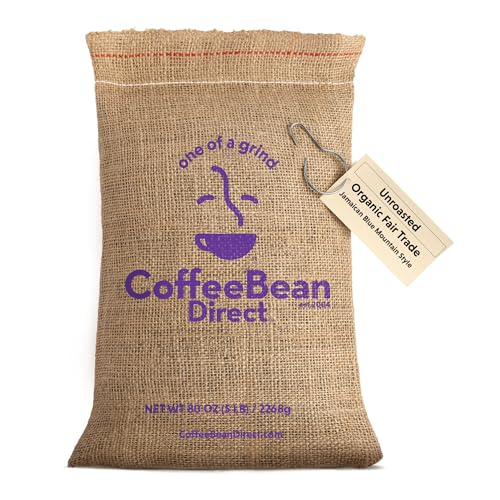
Best for those seeking a delicate, balanced cup with gentle sweetness and floral aromatics. The Jamaican Blue Mountain Style beans deliver a refined profile after a light to medium roast. They pair well with a softer water profile and careful heat control.
Who it’s for: home roasters exploring a refined, nuanced bean. Caution: delicate flavors respond poorly to aggressive dark roasting.
Food to Live Organic Honduran Arabica Green Beans

Best for single-origin Honduran coffee with smooth, balanced flavor potential. These raw beans are unroasted and versatile for a variety of roasting methods, including air roasters and stovetop devices. They’re convenient for bulk roasting sessions and experimentation with roast levels.
Who it’s for: cost-conscious roasters looking for flexibility and reliable balance. Caution: Honduran profiles can vary by harvest, so consistency depends on sourcing batch.
Buying Guide: Key Purchase Considerations
What does “Organic” and “Fair Trade” mean for you?
Organic certification ensures beans are produced without synthetic pesticides, while Fair Trade emphasizes fair wages and sustainable farming practices. For many buyers, these labels signal ethical sourcing and consistent quality standards.
Why choose unroasted green beans for home roasting?
Unroasted beans give you full control over color, development, and flavor. They also allow experimentation with roast profiles to match your preferred brew method and taste notes.
How to pick a roast-friendly origin?
East African beans like Ethiopian Yirgacheffe offer bright, floral notes good for light roasts. Latin American beans such as Colombia and Honduran varieties tend to yield balanced cups with versatility across roast levels.
What certifications matter for beginners?
Look for USDA Organic and Fair Trade labels for ethical sourcing. Kosher certification can be important for some buyers, but it does not directly influence flavor.
Roasting tips for best results
Start with light roasts to taste origin flavors, then adjust heat and development time for body and sweetness. Use a consistent roasting method and record your results for future reference.
FAQ
- What is the benefit of buying organic, fair trade green beans? They typically come from farms that adhere to sustainable practices and fair wages, with impact on flavor clarity and consistency.
- Are these beans suitable for all home roasters? Yes, they are unroasted green beans designed for home roasting using common methods like hot air or skillet roasters.
- Can I grind green beans before roasting? No. Green beans must be roasted before grinding and brewing.
- Which origin offers the brightest cups? East African beans, such as Ethiopian Yirgacheffe, often yield the most floral and citrus notes at lighter roasts.
- What should I consider when choosing a 5 lb bag? Large bags suit frequent roasters or households with multiple brews, but ensure you’ll use them within a practical timeframe to maintain freshness.
- Is Jamaica Blue Mountain Style a good everyday bean? It provides a refined, delicate cup best enjoyed as a special-occasion or light-to-medium roast experience.
Leave a Reply